.webp)
Key takeaways:
- The quiz is designed for people who suspect they have IBS symptoms, offering insights specific to IBS and guidance on identifying appropriate next management steps.
- Common IBS symptoms include abdominal pain related to bowel movements, changes in bowel habits, persistent bloating and gas, urgent or incomplete movements, and mucus in the stool.
- The quiz is a self-assessment only and cannot guarantee a diagnosis; only a trained medical professional can confirm IBS or another condition.
- Results can be used to track symptom progress over time and taken to a doctor to show how things have changed between visits.

Who is this quiz for?
This short quiz is for those who suspect they're experiencing IBS symptoms.
The process will help you gain valuable insights specific to IBS and receive guidance in identifying appropriate next management steps.
A healthcare provider can confirm whether you have IBS or another condition. It is important to consult a professional who can provide a definitive diagnosis and offer personalized support.
Common symptoms of irritable bowel syndrome (IBS)
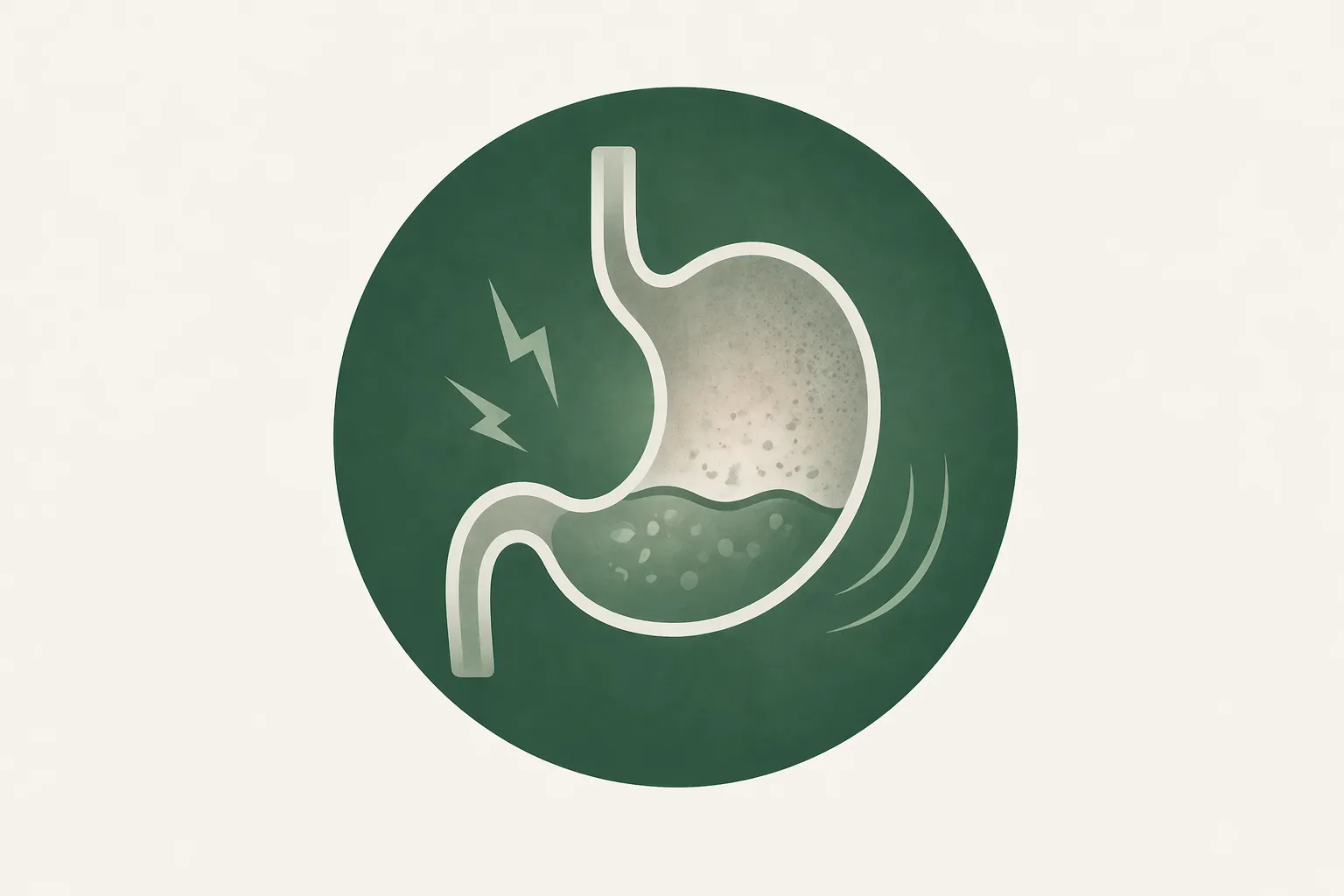
IBS is a chronic gut-brain disorder that causes a variety of digestive and systemic symptoms. The most common IBS symptoms include:
Abdominal pain or cramping related to bowel movements
Changes in bowel habits – constipation, diarrhea, or alternating between both
Persistent bloating and excess gas
Urgent or incomplete bowel movements
Visible mucus or residue in the stool
Other related symptoms can include fatigue, nausea, anxiety, or low mood. Although IBS doesn’t cause lasting damage to the digestive tract, it can greatly affect daily comfort and quality of life. If you’re experiencing these symptoms regularly, take the IBS quiz to better understand your condition – and consult a healthcare professional for diagnosis and support.

Is this quiz accurate?
This test is only to self-assess your symptoms. However it will not guarantee that you may be diagnosed with IBS. This test can be used for self-screening to track the progress of your symptoms and can be taken to a doctor to show how your behavior has changed from one visit to the next. Only a trained medical professional, such as a doctor or mental health professional, can help you determine the next best steps for you.