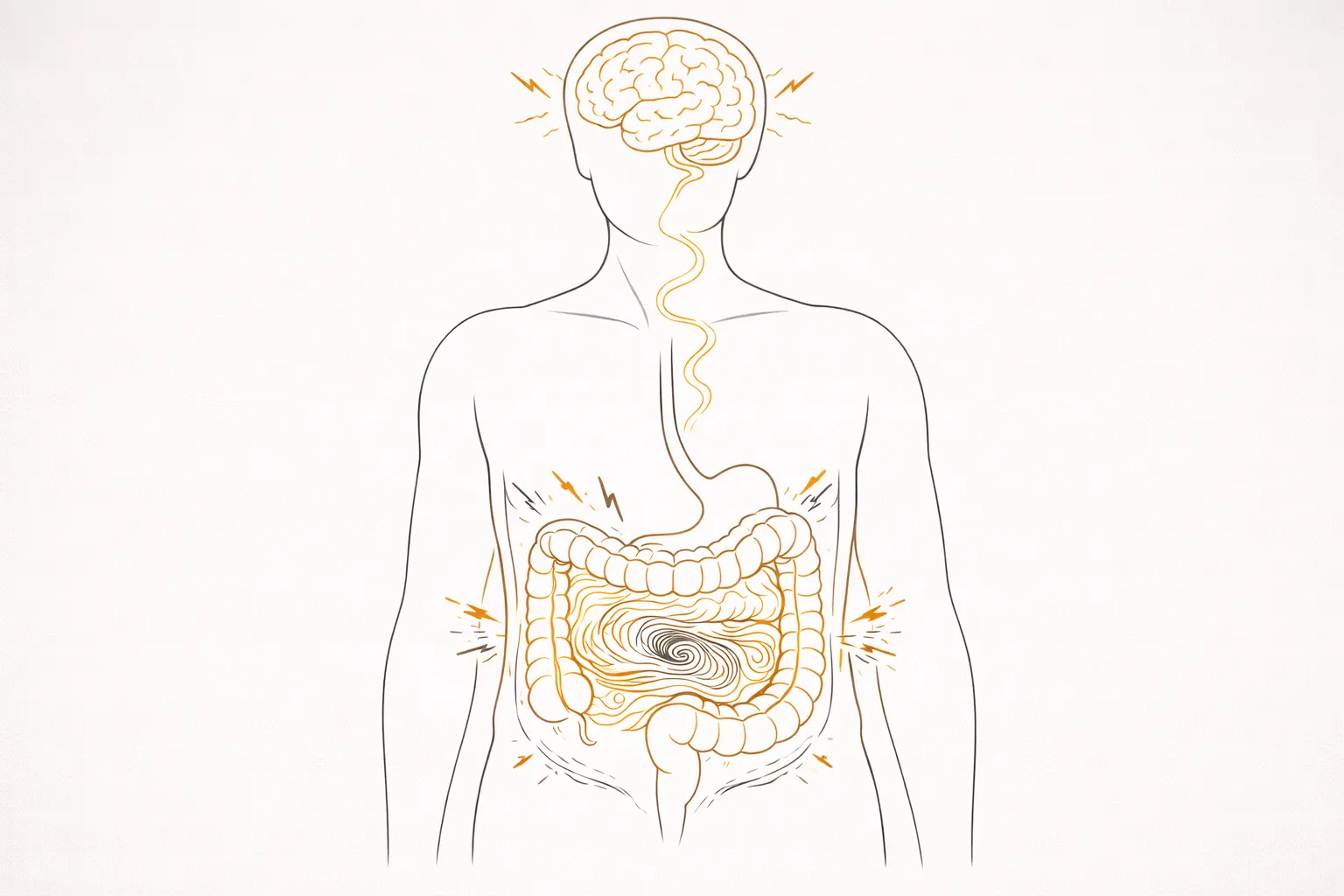
For egg-smelling burps while taking a GLP-1, start with smaller meals, slower eating and fewer fizzy drinks. These are practical ways to reduce general burping. If the burps keep returning or come with diarrhea, vomiting or pain, tell your prescriber about the full pattern.
Burping is a recognized side effect of these medicines. Studies haven't measured sulfur-smelling burps separately, so there's less certainty about the smell itself than about belching. Our GLP-1 digestive side effects guide covers the other symptoms that can occur during treatment.
Don't change your medication or dose without talking to your prescriber.
What causes the rotten-egg smell?
Hydrogen sulfide is a sulfur-containing gas with a rotten-egg smell. GLP-1 medicines can delay stomach emptying, which may contribute to upper-digestive symptoms. The exact pathway behind sulfur-smelling burps during treatment is still unclear.
Smell alone can't tell you how fast your stomach is emptying or whether a particular bacterium is involved. It also doesn't mean food is “rotting” in your stomach. Persistent fullness, reflux and vomiting give your clinician more useful information about what could be happening.
NIDDK explains that digestive gas comes from swallowed air and from intestinal microbes breaking down undigested carbohydrates. Different gas symptoms can have different causes. That's why advice for flatulence, bloating or frequent ordinary burps won't necessarily solve sulfur odor.
How common is burping on GLP-1s?
The drug labels call burping “eructation.” Here are the reported rates in six products' trials.
| Product and studied doses | Trial setting | People reporting belching | Placebo | US label revision |
|---|---|---|---|---|
| Wegovy injection 2.4 mg | Adult weight reduction | 7% | Less than 1% | June 2026 |
| Zepbound 5 / 10 / 15 mg | Adult weight reduction | 4% / 5% / 5% | 1% | August 2026 |
| Ozempic injection 0.5 / 1 mg | Adults with type 2 diabetes | 2.7% / 1.1% | 0% | May 2026 |
| Mounjaro 5 / 10 / 15 mg | Adults with type 2 diabetes | 3.0% / 2.5% / 3.3% | 0.4% | August 2026 |
| Rybelsus trial formulation 7 / 14 mg | Adults with type 2 diabetes | 0.6% / 2% | 0% | January 2026 |
| Foundayo equivalent doses 5.5 / 9 / 17.2 mg | Adult weight management | 6% / 8% / 8% | 1% | July 2026 |
Sources: linked US prescribing information, section 6.1, checked September 29, 2026. Percentages count participants reporting belching; sulfur odor was not measured. Compare each product with its own placebo group because these trials differ. Dose order matches rate order; doses identify study groups. Wegovy row is 2.4 mg injection only. Foundayo trials used an investigational formulation, expressed in the label as equivalent marketed doses.
Check the leaflet for the product and formulation you take. If burping began after starting treatment or a prescribed increase, mention that timing. Also describe whether you feel unusually full, have reflux, or notice a change in your bowel movements.
What can you try at home?
For mild, occasional burping, start with the habits most likely to add air or make a meal uncomfortable. NIDDK's gas guidance and a GLP-1 expert consensus suggest:
Eat slowly and choose smaller portions. Stop when you feel comfortably full.
Swap fizzy drinks for still drinks if carbonation brings on burping.
Reduce gum, hard candy and drinking through straws, which can increase swallowed air.
Stay upright after meals instead of lying down straight away.
If a large, rich meal leaves you uncomfortable, try a smaller portion of a familiar food you tolerate. There's no need to test every suggested remedy at once. Changing one habit makes it easier to see whether it helps.
For example, replace your usual fizzy drink with a still drink while keeping the rest of the meal similar. Note whether the burping changes over the next few meals. A brief record is useful if symptoms recur; you don't need to track every ingredient or sensation.
These steps come from guidance for general gas and GLP-1 digestive symptoms. There isn't a proven sulfur-burp diet, and a food's sulfur content alone doesn't make it your trigger. Broad bans on eggs, meat, dairy and vegetables can make it unnecessarily hard to eat well.
If you repeatedly notice symptoms after one food, write down the pattern and discuss a targeted change with a dietitian. Get nutrition support if you're struggling to eat enough or your list of tolerated foods keeps shrinking.
Do Pepto-Bismol or probiotics help?
Bismuth subsalicylate, the ingredient in Pepto-Bismol, has a reason for appearing in discussions about sulfur gas. A small study in 10 healthy adults found that it reduced hydrogen-sulfide release from stool samples. The study didn't measure burps or include people taking GLP-1 medicines, so it doesn't tell us whether bismuth relieves this symptom.
Before taking it, ask a pharmacist whether it suits your symptoms and other medicines. MedlinePlus lists precautions for aspirin allergy, blood thinners, kidney disease and bleeding problems. Mention these even if you only plan to use an over-the-counter product briefly.
Probiotics have no established strain or regimen for GLP-1 sulfur burps. The American Gastroenterological Association advises against probiotics for abdominal bloating and distention. That guidance addresses those symptoms specifically; it doesn't support buying a probiotic as a general fix for gas.
What if you also have diarrhea?
Burping and diarrhea can both occur during GLP-1 treatment. Infections and other digestive problems can also cause the combination, especially if it starts suddenly or someone around you is ill.
The CDC lists gas and diarrhea among Giardia symptoms, for example. Recent travel, untreated drinking water, or greasy, foul-smelling stools are details to mention to your clinician. Sulfur burps alone don't diagnose an infection or tell you whether you need testing.
Replace fluid and electrolyte losses from diarrhea. NIDDK's treatment guidance includes oral rehydration solutions; a pharmacist can help you choose one. Get individual advice about fluids if you have diabetes, kidney disease or a fluid restriction.
Contact a doctor right away for diarrhea lasting more than two days, six or more loose stools in a day, or high fever. Seek help sooner for dehydration or severe symptoms.
Our GLP-1 diarrhea guide has more on fluid losses. If your bowel movements have instead become difficult or infrequent, see the constipation guide.
How long do sulfur burps last?
Research hasn't given sulfur burps a reliable timeline. General digestive symptoms often occur when treatment starts or the dose increases. Some become less frequent over time, but nausea and diarrhea studies can't tell you when sulfur odor will disappear.
If the burps keep coming back, interfere with meals or wake you at night, arrange a prescriber appointment. Note when they started and whether they followed a prescribed change. Include any vomiting, pain or bowel changes, and say whether you're eating and drinking normally.
Our guide to GLP-1 side-effect timelines explains the difference between a brief episode and symptoms that recur over several weeks.
Where gut-brain support fits
Some frequent belching comes from air moving into and out of the esophagus, called supragastric belching. The AGA includes brain-gut behavioral therapies among the options for this diagnosed problem. A clinician can distinguish it from other types of belching.
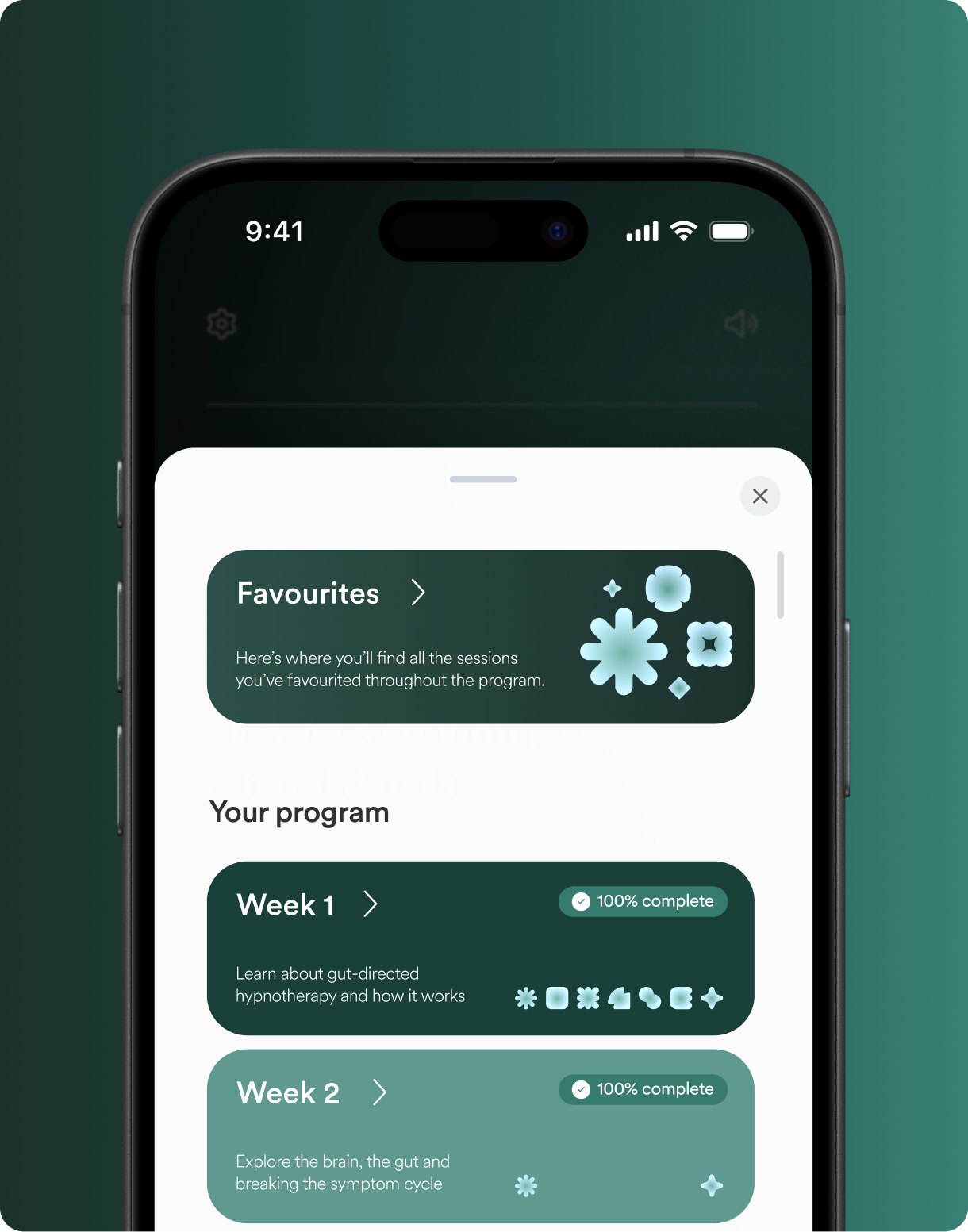
For ongoing digestive concerns, Nerva offers daily gut-directed hypnotherapy and breathing exercises focused on how you respond to gut sensations. Its trial evidence is in IBS; it hasn't been shown to treat GLP-1 sulfur burps.
Read about gut-brain approaches or explore Nerva.
When to get medical help
Call 911 for chest pain, trouble breathing, fainting or collapse.
Get medical help right away for severe or lasting abdominal pain, especially if it spreads to your back; vomiting blood or black or bloody stools; repeated vomiting, inability to keep fluids down or very little urine; a swollen, painful belly with inability to pass stool or gas; or upper-right abdominal pain with fever or yellow skin or eyes.
Trouble swallowing needs prompt medical assessment. If you can't swallow at all, go to an emergency department.
Sources: medication warnings, NIDDK, CDC and Mayo Clinic.
Ozempic, Wegovy and Rybelsus are trademarks of Novo Nordisk. Mounjaro, Zepbound and Foundayo are trademarks of Eli Lilly. Nerva is not affiliated with either company.
References
Centers for Disease Control and Prevention, NIOSH. Hydrogen sulfide. NIOSH Pocket Guide to Chemical Hazards. Accessed September 29, 2026. https://www.cdc.gov/niosh/npg/npgd0337.html
National Institute of Diabetes and Digestive and Kidney Diseases. Symptoms & causes of gas in the digestive tract. Reviewed June 2021. https://www.niddk.nih.gov/health-information/digestive-diseases/gas-digestive-tract/symptoms-causes
Novo Nordisk. Wegovy (semaglutide) US prescribing information. Revised June 2026. Section 6.1, Table 3. https://www.novo-pi.com/wegovy.pdf
Eli Lilly and Company. Zepbound (tirzepatide) US prescribing information. Revised August 2026. Section 6.1, Table 1. https://pi.lilly.com/us/zepbound-uspi.pdf
Novo Nordisk. Ozempic (semaglutide) injection US prescribing information. Revised May 2026. Section 6.1. https://www.novo-pi.com/ozempic.pdf
Eli Lilly and Company. Mounjaro (tirzepatide) US prescribing information. Revised August 2026. Section 6.1. https://pi.lilly.com/us/mounjaro-uspi.pdf
Novo Nordisk. Rybelsus (semaglutide) tablets and Ozempic (semaglutide) tablets US prescribing information. Revised January 2026. Section 6.1. https://www.novo-pi.com/rybelsus.pdf
Eli Lilly and Company. Foundayo (orforglipron) US prescribing information. Revised July 2026. Section 6.1, Table 1. https://pi.lilly.com/us/foundayo-uspi.pdf
National Institute of Diabetes and Digestive and Kidney Diseases. Eating, diet, & nutrition for gas in the digestive tract. Accessed September 29, 2026. https://www.niddk.nih.gov/health-information/digestive-diseases/gas-digestive-tract/eating-diet-nutrition
Gorgojo-Martínez JJ, Mezquita-Raya P, Carretero-Gómez J, et al. Clinical recommendations to manage gastrointestinal adverse events in patients treated with GLP-1 receptor agonists: a multidisciplinary expert consensus. J Clin Med. 2023;12(1):145. Published online December 24, 2022. doi:10.3390/jcm12010145. https://pmc.ncbi.nlm.nih.gov/articles/PMC9821052/
Suarez FL, Furne JK, Springfield J, Levitt MD. Bismuth subsalicylate markedly decreases hydrogen sulfide release in the human colon. Gastroenterology. 1998;114(5):923-929. doi:10.1016/S0016-5085(98)70311-7. https://pubmed.ncbi.nlm.nih.gov/9558280/
American Society of Health-System Pharmacists. Bismuth subsalicylate. MedlinePlus. Revised August 15, 2016. https://medlineplus.gov/druginfo/meds/a607040.html
Moshiree B, Drossman D, Shaukat A. AGA clinical practice update on evaluation and management of belching, abdominal bloating, and distention: expert review. Gastroenterology. 2023;165(3):791-800.e3. doi:10.1053/j.gastro.2023.04.039. https://gastro.org/clinical-guidance/evaluation-and-management-of-belching-abdominal-bloating-and-distention/
Centers for Disease Control and Prevention. About Giardia infection. Accessed September 29, 2026. https://www.cdc.gov/giardia/about/
National Institute of Diabetes and Digestive and Kidney Diseases. Treatment of diarrhea. Accessed September 29, 2026. https://www.niddk.nih.gov/health-information/digestive-diseases/diarrhea/treatment
National Institute of Diabetes and Digestive and Kidney Diseases. Symptoms & causes of diarrhea. Accessed September 29, 2026. https://www.niddk.nih.gov/health-information/digestive-diseases/diarrhea/symptoms-causes
National Institute of Diabetes and Digestive and Kidney Diseases. Symptoms & causes of gastroparesis. Reviewed January 2018. https://www.niddk.nih.gov/health-information/digestive-diseases/gastroparesis/symptoms-causes
Mindset Health. Nerva for clinicians. Existing program mechanics and eligibility; accessed September 29, 2026. https://www.nervahealth.com/clinicians
Centers for Disease Control and Prevention. About Heart Attack Symptoms, Risk, and Recovery. https://www.cdc.gov/heart-disease/about/heart-attack.html
Mayo Clinic. Difficulty swallowing in adults: when to seek medical advice. https://www.mayoclinic.org/symptom-checker/difficulty-swallowing-in-adults-adult/related-factors/itt-20009075