However, this is why it’s important you follow the low FODMAP diet with a health professional like a dietitian leading you along, who may be able to recommend a more tailored version of the diet to fit your personal needs.
How to help your microbiome
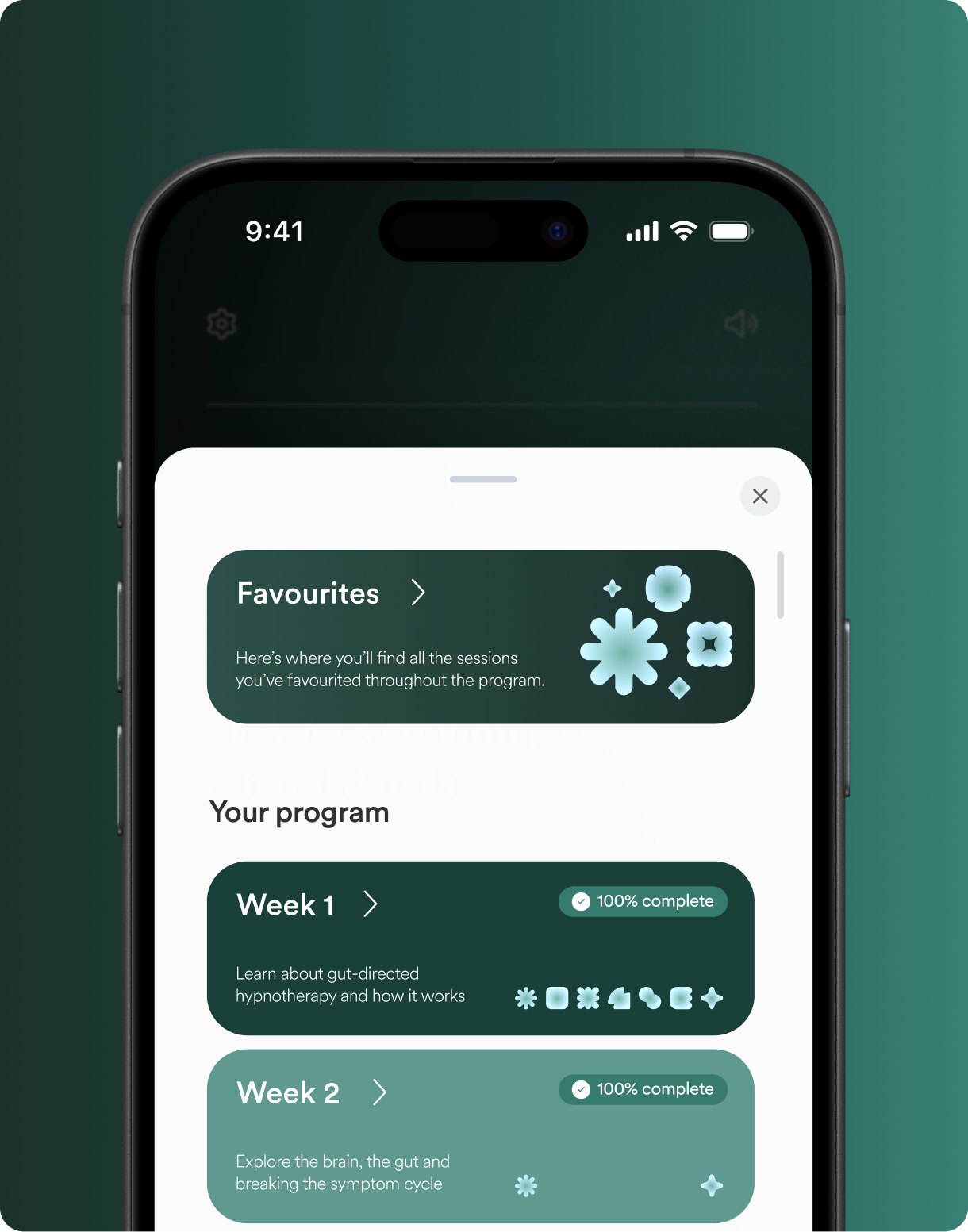
You can try a range of strategies to improve your gut health before implementing a low FODMAP diet, such as gut-directed hypnotherapy (GDH). GDH helps improve communication between the gut and brain via the vagus nerve, and it has not been shown to impact your gut microbiome negatively.
If you are opting to follow the low FODMAP diet (which you can undertake at the same time as GDH), here’s what you can do to keep your microbiome healthy.
Focus on diversity and what you can eat
We know the low FODMAP diet is restrictive, and it can be challenging to commit to. However, several low FODMAP foods can be consumed in moderate amounts that are rich in prebiotic fiber. This is the type of fiber that ‘feeds’ our gut microbiome.
Try including these foods in your diet plan following the suggested serving sizes to ensure they are considered a low FODMAP choice:
Avoid known stressors
Particular dietary and lifestyle factors are known to impact your gut microbiome adversely. These include excessive alcohol consumption, smoking, and a diet high in saturated and/or trans fats, artificial sweeteners, or other additives. By cutting back on alcohol, quitting smoking, and reworking your diet, you will be actively helping your gut microbiome to flourish.
Introduce probiotics to your diet
Probiotics are live bacteria that alter your gut’s flora. They offer many benefits that can bring relief by helping regulate the function and speed at which contents move through your bowel. Probiotics naturally occur in fermented foods like yogurt, sauerkraut, kimchi, and tempeh. You can also consume probiotics as a supplement. You'll be supporting your already-established gut microbiome by upping your intake of foods high in probiotics.
Get moving
Exercise, the kind you can commit to doing regularly, is a well-known way to improve your overall health and well-being. However, the good news is it not only helps you get in shape, but it also promotes good digestive health and ensures your microbiome is thriving. The even better news is gentle exercise has been found to help relieve IBS symptoms, particularly bloating and constipation, no extreme fitness plan required.
Find professional help
Seek professional guidance from a healthcare practitioner like an accredited practicing or registered dietitian to ensure you maintain a healthy microbiome while undertaking a low FODMAP diet. They will be able to guide you through the diet step by step, tailoring it to your individual needs. It's important the approach is personalized to your unique symptoms, triggers, and lifestyle to ensure the integrity of your gut microbiome.
About Chelsea McCallum
Chelsea McCallum is an Accredited Practising Dietitian, nutritionist, and recipe developer. She has years of clinical experience as a dietitian and is highly skilled in working with adolescents and adults. Since finishing a Bachelor of Nutrition and Dietetics, she further developed her knowledge in IBS, gut microbiome, and gut health, attending several workshops and courses within Australia and internationally in the UK. She is an an expert in IBS and the low FODMAP diet.
Learn more about Chelsea at www.dietitianchelsea.com or connect with her on Instagram.
The Wrap Up
Nurturing the trillions of micro-organisms that make up your gut microbiome is critical to a healthy gut and overall well-being. A thriving microbiome supports your digestive system and is closely linked to your mental health. Diversity in your diet, particularly with plant-based foods, is one of the best ways to support your gut microbiome. Following a restrictive low FODMAP diet can be problematic for your microbiome, but with support and guidance from a qualified healthcare practitioner, consuming probiotics, exercising, and avoiding known stressors, you can still work towards a healthy gut.
References
Aragon G, Graham DB, Borum M, Doman DB. Probiotic therapy for irritable bowel syndrome. Gastroenterol Hepatol (N Y). 2010;6(1):39-44.
Carpenter S. That gut feeling. American Psychological Association. https://www.apa.org/monitor/2012/09/gut-feeling. Published 2012. Accessed July 26, 2022.
Peter J, Fournier C, Keip B, et al. Intestinal Microbiome in Irritable Bowel Syndrome before and after Gut-Directed Hypnotherapy. Int J Mol Sci. 2018;19(11):3619. Published 2018 Nov 16. doi:10.3390/ijms19113619
Shreiner AB, Kao JY, Young VB. The gut microbiome in health and in disease. Curr Opin Gastroenterol. 2015;31(1):69-75. doi:10.1097/MOG.0000000000000139
Tomova A, Bukovsky I, Rembert E, et al. The Effects of Vegetarian and Vegan Diets on Gut Microbiota. Front Nutr. 2019;6:47. Published 2019 Apr 17. doi:10.3389/fnut.2019.00047
Valdes A, Walter J, Segal E, Spector T. Role of the gut microbiota in nutrition and health. BMJ. 2018:k2179. doi:10.1136/bmj.k2179

.webp)
.jpeg)

.jpeg)