Key takeaways:
- Many people with IBS develop food fear, anxiety about eating triggering symptoms, which can lead to restrictive eating or avoiding entire food groups altogether.
- The gut-brain connection helps explain the link: stress activates the fight-or-flight response and slows digestion, and a recent study found IBS and anxiety share similar genetic pathways.
- Restricting feared foods can spark a restrict and binge cycle of craving, overeating, guilt, and digestive discomfort that can worsen IBS symptoms.
- Working with a dietitian and psychologist, planning ahead with gut-friendly snacks, and mindfulness-based strategies or gut-directed hypnotherapy have been shown to help manage IBS symptoms.
Connecting food and frustrating symptoms in this way can lead to a poor relationship with eating, which may include fearing mealtimes or restricting whole food groups altogether, rationalizing to yourself that it’s better to be safe than sorry.
Here are the steps you can take to minimize your food fears and reduce stress.
What is IBS?
IBS is a common gastrointestinal disorder that can cause uncomfortable, frustrating symptoms like:
abdominal pain
bloating and distension
altered bowel habits (e.g. diarrhea and/or constipation)
flatulence
associated psychological symptoms, such as anxiety and depression.
The exact cause of IBS is unknown, but there are several factors thought to contribute, such as infection or dysbiosis, which is when there’s an imbalance of ‘good’ and ‘bad’ bacteria in the gut.
Miscommunications between your gut and brain via the vagus nerve is also known to contribute to your symptoms, with stress and anxiety exacerbating your IBS as well.
While there is no cure for IBS and it’s important you gain a proper diagnosis from a healthcare professional, a wide variety of symptom-management tools are available.
What is food fear?
When we talk about food fear, we’re referring to how you may be triggered by the act or thought of eating, as well as fearing actual foods themselves.
Food fear can take on a life of its own in your mind, and you might be connecting your fear to food poisoning, body image, eating socially and dining out, or choking. For people with IBS, it’s often linked to the stress and anxiety of wondering if certain foods will trigger symptoms.
It might begin with imagining how you’re going to feel after eating a particular food and fearing the consequences, a flare-up, bad cramps, excessive gas, bloating, running frantically to the toilet.
Stressing about these outcomes could feel endless, and your anxiety is pushed higher when you approach eating with a sense of inevitability, like, “I just know this coffee is going to make me sick”.
So, it’s understandable that people with IBS may begin avoiding certain foods or entire food groups like dairy in fear of triggering a reaction.
This can lead to what’s known as a restrict and binge cycle. This is when you restrict a certain food/food group, crave said food, then give in and binge or overeat, cue guilt, shame, self-loathing, and digestive discomfort.
The hardest part? A cycle that damages your relationship with food can worsen your IBS symptoms.
What is the connection between IBS and food fear?
While IBS and food fear aren’t the direct cause of one another, experiencing one often worsens the symptoms of the other. This is mainly due to the gut-brain connection. Between our bowel and brain lies the vagus nerve, a two-way communication channel vital for digestive functioning. When we are stressed or anxious, our body's ‘fight or flight’ response is activated. This increases our stress hormones and causes our heart to beat faster, slowing or even stopping (yes, stopping) our digestive processes completely. This is because our body is focusing on ‘fighting’ the fear rather than taking the time to ‘rest and digest’.
A recent study also found that IBS and anxiety share similar genetic pathways. This suggests that if you’re predisposed to IBS, you’re also likely to have or develop an anxiety disorder (like food fear).
How to reduce food fear with IBS
Thankfully, food fear and IBS are both conditions that can be managed.
Here is how you can minimize food fear and the likelihood of triggering frustrating symptoms.
Work with the appropriate healthcare professionals
The connection between IBS and anxiety is incredibly complex, so individualized support, guidance, and management strategies are necessary for both conditions. Working closely with a dietitian or nutritionist will help you identify any dietary-related triggers, while a psychologist will help you develop concrete skills and techniques to reduce anxiety or food fear.
Plan ahead (especially when out and about)
Whether you’re going to work, doing the grocery shopping, or attending a social function, think about having a few gut-friendly snacks (like Fodbods) on hand so you don’t have to worry about food triggering your symptoms. Planning ahead also means familiarizing yourself with the location, such as knowing where the toilets are before you arrive. If you’re heading out for dinner, look up the menu online to see what foods will be available so you feel comfortable and prepared to make informed decisions.
Be mindful
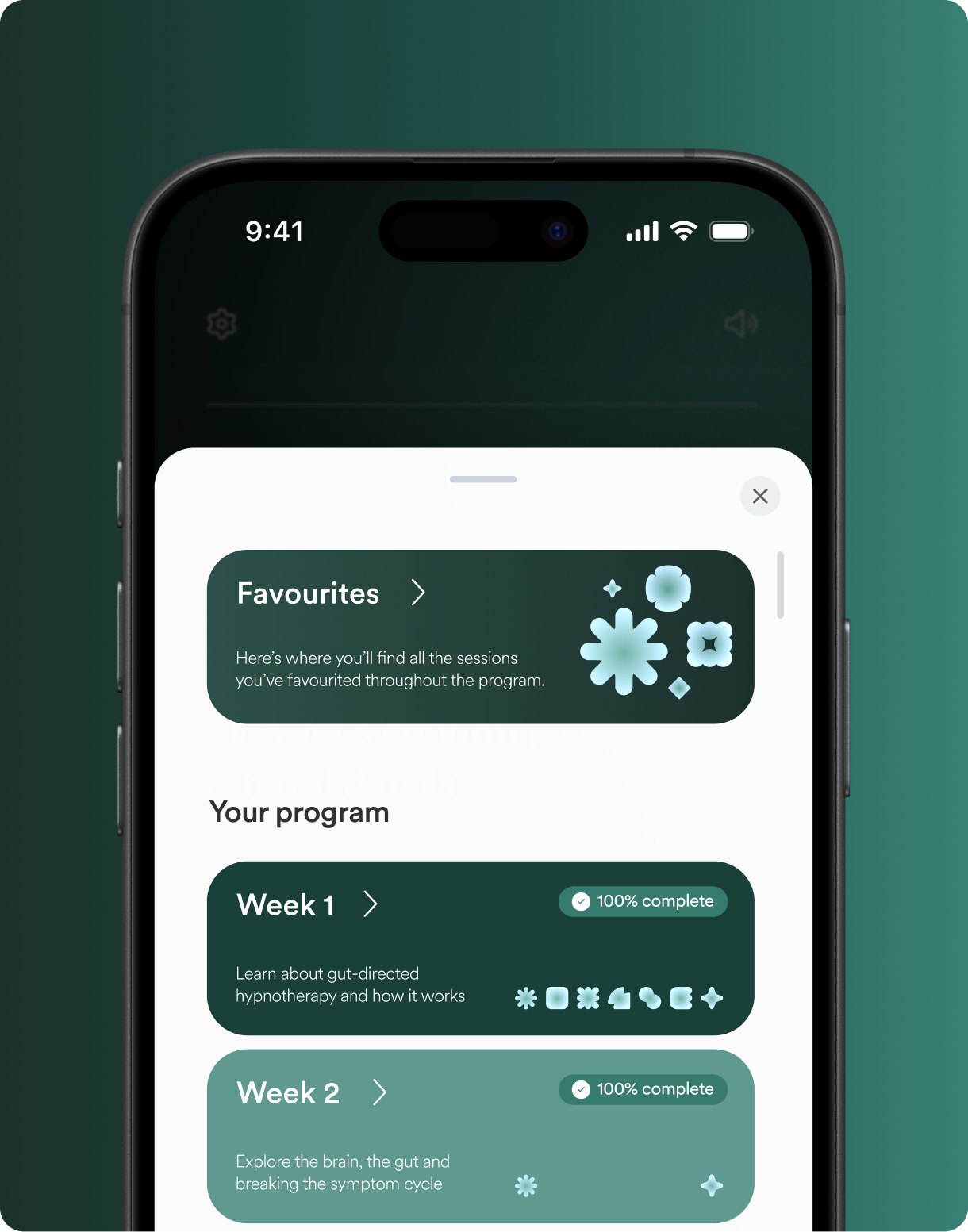
Based on the latest research, mindfulness-based strategies and gut-directed hypnotherapy (like the Nerva program) have been shown to help manage and improve IBS symptoms. Research has shown there is a very real connection between our gut and mind, so alleviating any stress, fear, or anxiety will calm your digestive tract and minimize those uncomfortable IBS symptoms.
The Wrap Up
Many people with IBS develop a deep-rooted fear of certain foods or food groups, triggering their symptoms. This fear may lead to restrictive eating or avoiding certain food groups altogether. To maintain a healthy relationship with food, talk to a healthcare professional such as a dietitian or psychologist, and try IBS and stress management tools such as hypnotherapy and mindfulness.
About Eloise Turner, BNut&Diet, APD
Eloise is an Australian Accredited Practicing Dietitian and nutritionist, currently working for Fodbods, a healthy FODMAP (gut) friendly snack company. Her clinical background sparked her interest in IBS and she is passionate about all things nutrition and gut health.
References
Black CJ, Thakur ER, Houghton LA, et alEfficacy of psychological therapies for irritable bowel syndrome: systematic review and network meta-analysisGut 2020;69:1441-1451.
Carding S, Verbeke K, Vipond DT, Corfe BM, Owen LJ. Dysbiosis of the gut microbiota in disease. Microb Ecol Health Dis. 2015;26:26191. Published 2015 Feb 2. doi:10.3402/mehd.v26.26191
Eijsbouts, C., Zheng, T., Kennedy, N.A. et al. Genome-wide analysis of 53,400 people with irritable bowel syndrome highlights shared genetic pathways with mood and anxiety disorders. Nat Genet 53, 1543–1552 (2021). https://doi.org/10.1038/s41588-021-00950-8
Monashfodmap.com. 2020. About Fodmaps And IBS | Monash FODMAP - Monash Fodmap. [online] Available at: <https://www.monashfodmap.com/about-fodmap-and-ibs/> [Accessed 31 August 2022]. https://www.monashfodmap.com/about-fodmap-and-ibs/
Naliboff, BD, Smith, SR, Serpa, JG, et al. Mindfulness-based stress reduction improves irritable bowel syndrome (IBS) symptoms via specific aspects of mindfulness. Neurogastroenterol Motil. 2020; 32:e13828. https://doi.org/10.1111/nmo.13828
Fadgyas-Stanculete M, Buga AM, Popa-Wagner A, Dumitrascu DL. The relationship between irritable bowel syndrome and psychiatric disorders: from molecular changes to clinical manifestations. J Mol Psychiatry. 2014;2(1):4. Published 2014 Jun 27. doi:10.1186/2049-9256-2-4
.jpeg)

.jpeg)