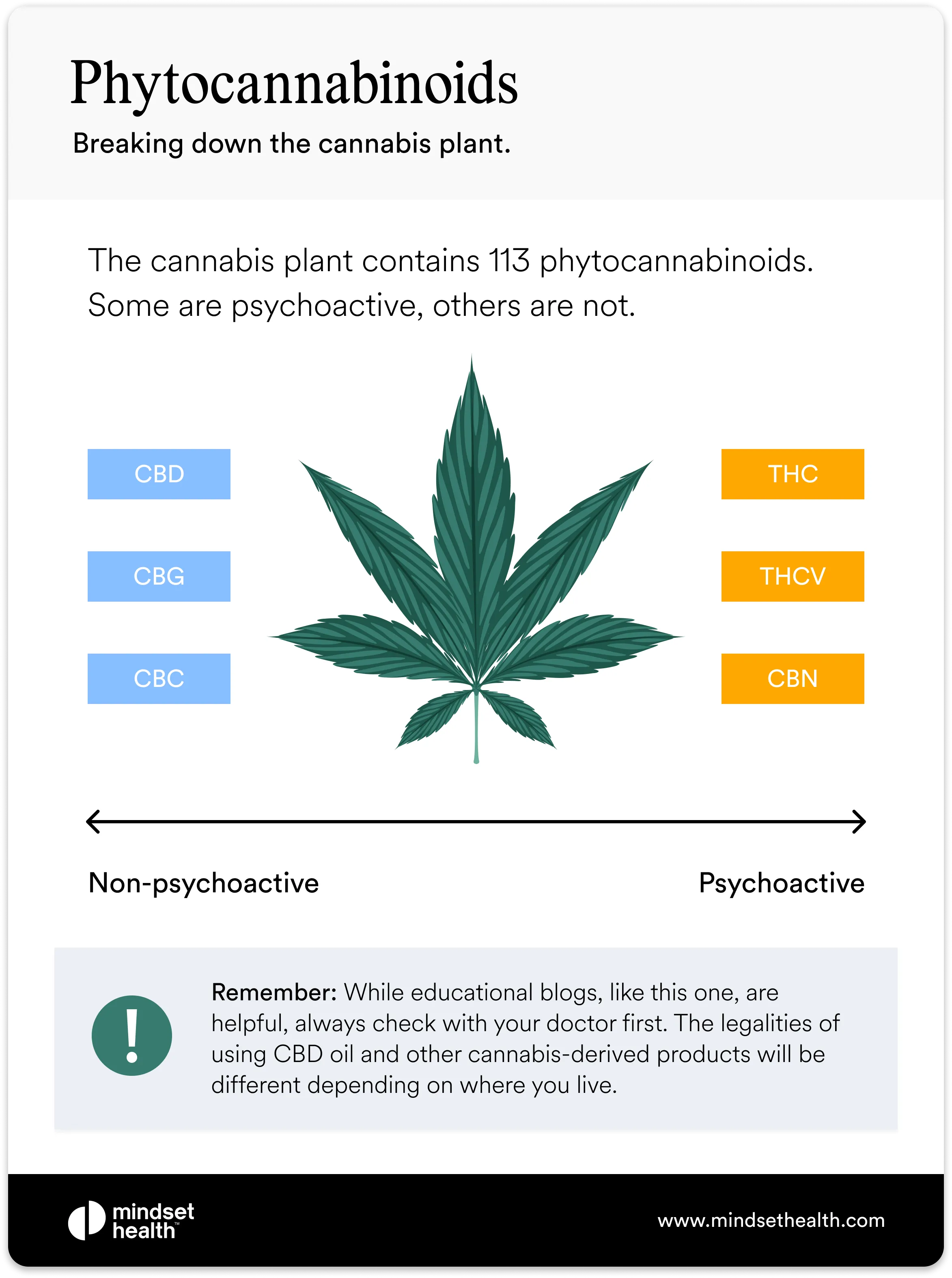
For this reason, CBD is more clinically useful since it provides similar benefits without the ‘high’.
CBD has shown promising results for a variety of medical conditions including chronic pain, insomnia, epilepsy, multiple sclerosis, neurodegenerative conditions such as Parkinson’s disease, and side effects of chemotherapy. It is currently being investigated as a possible treatment for IBS.
It is thought that CBD may help ‘re-calibrate’ the communication between the gut and the brain. However, more research is needed to clarify the role of CBD for IBS.
How might CBD help with IBS?
There are three ways in which CBD could help to relieve symptoms of IBS.
Firstly, it may help with abdominal pain which is experienced by two-thirds of IBS patients.
CBD is well known for its pain-reducing properties, and it has been shown to reduce inflammation. The CBD receptors in the gut are linked with nerve cells that control pain in the internal organs.
Secondly, stress and digestive troubles are inherently linked. For some people, stress is a major trigger for their IBS symptoms. CBD has shown benefits in stress management so it may help decrease the frequency of the triggers.
Finally, there is growing evidence that supports the use of cannabinoids in the treatment of anxiety disorders. A 2011 study found that CBD reduced anxiety levels for Social Anxiety Disorder (SAD) in the acutely stressful situation of public speaking.
The link between IBS and anxiety has been shown and is known to go in both directions: IBS can increase your feelings of anxiety and anxiety may increase your IBS symptoms. CBD could act as a circuit breaker.
It is worth pointing out that due to limited research, there’s not enough evidence to promote the use of CBD for IBS. However, the research is continually unfolding and it is possible that the medical status of CBD for IBS may change in the near future.
CBD Safety
CBD products such as hemp oil are derived from industrial hemp plants and contain very low amounts of THC. However, CBD products are currently marketed as supplements, which are not regulated for safety and purity by the Food and Drug Administration (FDA) in the United States. So, as with all supplements, it’s a good idea to be mindful of where you source your CBD and make sure you talk to your doctor first.
Potential side effects of CBD include nausea, fatigue and irritability.
Is CBD legal?
CBD can live in a grey area of legalities, depending on where you live. In the US, laws are different in each state. In the UK, it depends on how much THC the oil contains (which, in theory, should be very little).
In Australia, CBD is a prescription medication when prepared appropriately. It cannot be purchased over-the-counter (OTC) or online. Doctors must apply to the Therapeutic Goods Administration (TGA) for an approval to prescribe products containing CBD.
No matter where you live, be aware that the laws are constantly changing, especially as the research unfolds. If you have concerns, make sure to speak to your doctor and look up the legislation in your location.
The Wrap Up
CBD is being researched as a treatment or management tool for a variety of health conditions such as chronic pain, seizures, and gastrointestinal complaints. CBD is sourced from the cannabis plant but does not produce a ‘high’. Recent research suggests that CBD may hold promise in addressing IBS symptoms. However, more conclusive research is needed to show how beneficial CBD is for IBS symptoms. If you are considering taking CBD for IBS then talk to your doctor first and be aware of your local legislation.
References
Atakan Z. Cannabis, a complex plant: different compounds and different effects on individuals. Ther Adv Psychopharmacol. 2012;2(6):241-254. doi:10.1177/2045125312457586
Atalay S, Jarocka-Karpowicz I, Skrzydlewska E. Antioxidative and Anti-Inflammatory Properties of Cannabidiol. Antioxidants (Basel). 2019 Dec 25;9(1):21. doi: 10.3390/antiox9010021. PMID: 31881765; PMCID: PMC7023045.
Choung, R.S. and Locke 3rd, G.R., 2011. Epidemiology of IBS. Gastroenterology Clinics of North America, 40(1), pp.1-10. https://europepmc.org/article/med/21333897
Elsaid S, Kloiber S, Le Foll B. Effects of cannabidiol (CBD) in neuropsychiatric disorders: A review of pre-clinical and clinical findings. Prog Mol Biol Transl Sci. 2019;167:25-75. doi: 10.1016/bs.pmbts.2019.06.005. Epub 2019 Aug 28. PMID: 31601406.
Perisetti, A., Rimu, A.H., Khan, S.A., Bansal, P. and Goyal, H., 2020. Role of cannabis in inflammatory bowel diseases. Annals of gastroenterology, 33(2), p.134. https://www.ncbi.nlm.nih.gov/pmc/articles/PMC7049239/
Lacy, B.E. and Patel, N.K., 2017. Rome criteria and a diagnostic approach to irritable bowel syndrome. Journal of clinical medicine, 6(11), p.99. https://www.mdpi.com/2077-0383/6/11/99
Pellissier, S. and Bonaz, B., 2017. The place of stress and emotions in the irritable bowel syndrome. Vitamins and hormones, 103, pp.327-354.


.jpeg)

.jpeg)