Treatments for PI-IBS
Just as with IBS, there is currently no cure for PI-IBS. Treatment is much the same as other types of IBS and involves reducing the severity of symptoms and avoiding triggers. Options include the use of medicines, dietary changes, and psychological therapies like gut-directed hypnotherapy.
Medications for PI-IBS
Your doctor may prescribe antibiotics such as rifaximin (Xifaxan) to treat the initial stomach or intestinal infection. However, it is worth noting that antibiotics have been shown to increase the risk of developing PI-IBS following a gastrointestinal infection.
If diarrhea is a symptom in PI-IBS, you may be prescribed anti-diarrheal medicines such as loperamide (Imodium). Additionally, tricyclic antidepressants such as amitriptyline may be prescribed in small doses to treat IBS symptoms. This type of antidepressant may be effective in diarrhea-predominant IBS (IBS-D) as it helps to slow bowel movements.
A non-prescription medication option is probiotics, which help to boost 'friendly' bacteria in the digestive tract. There is some evidence that probiotics help to reduce symptoms of IBS.
Dietary changes
Some people will manage their IBS symptoms by trying various dietary interventions, such as the popular low FODMAP diet. The low FODMAP diet removes lactose, and other compounds known to commonly trigger IBS symptoms (fructans, disaccharides, monosaccharides, and polyols). Several studies have shown that the low FODMAP diet is effective in reducing symptoms of IBS such as bloating, abdominal pain, and diarrhea.
Psychological treatments
Since psychological factors are important to PI-IBS, these should be formally assessed and treated. High levels of anxiety and depression may make it harder to recover, and these psychological issues will usually need to be addressed to make a full recovery.
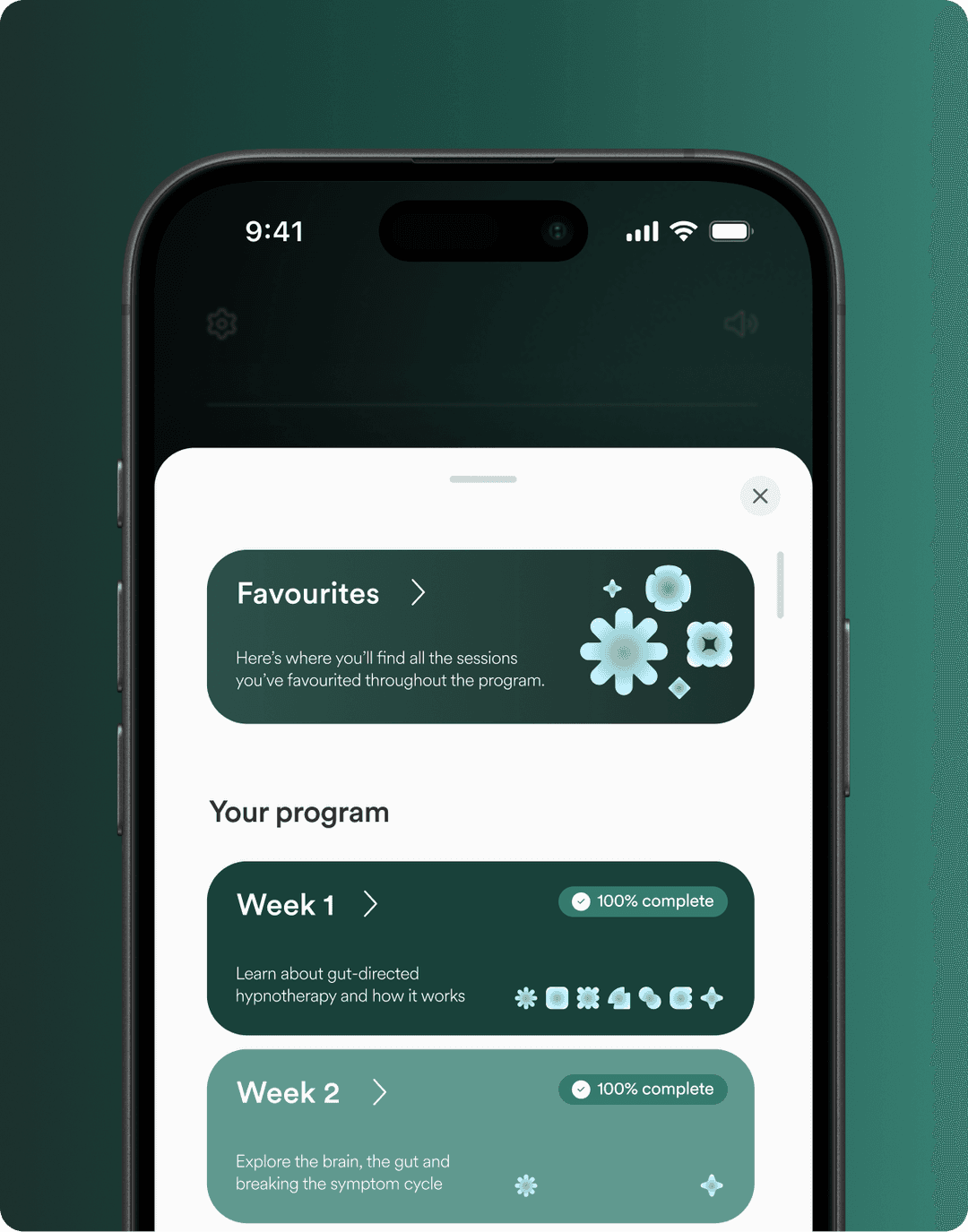
Stress-reduction and psychological therapy techniques may help to restore the connection between the brain and the gut and reduce symptoms in PI-IBS. These interventions include gut-directed hypnotherapy, mindfulness meditation, yoga, and cognitive behavioral therapy (CBT).
Prognosis
PI-IBS can last up to several months or even years. Studies suggest that up to 50% of patients with PI-IBS will recover without any specific treatment within 8 years.
Can COVID-19 cause IBS?
Research is still evolving, and it is too early to say whether the virus responsible for COVID-19, Sars-CoV-2, can cause PI-IBS. Up to 40% of COVID-19 patients experience gastrointestinal symptoms. The most common gastrointestinal symptoms of COVID-19 are diarrhea, nausea, loss of appetite, vomiting, abdominal pain, and heartburn.
Considering that post-infectious IBS can be caused by a viral infection of the digestive tract, and that SARS-CoV-2 can enter the body through the digestive tract, there is some reason to believe that this new coronavirus can cause PI-IBS.
The Wrap-Up
Post-infectious IBS refers to IBS symptoms that arise following an infection of the digestive tract. This condition is usually caused by bacterial or parasitic infections rather than a viral infection. Most cases of PI-IBS cause diarrhea-predominant IBS (IBS-D) rather than constipation-predominant IBS (IBS-C). Several treatment options are available to reduce symptoms, however, more research into this condition is needed.
References
Oka, P., Parr, H., Barberio, B., Black, C.J., Savarino, E.V. and Ford, A.C., 2020. Global prevalence of irritable bowel syndrome according to Rome III or IV criteria: a systematic review and meta-analysis. The Lancet Gastroenterology & Hepatology, 5(10), pp.908-917. https://www.thelancet.com/journals/langas/article/PIIS2468-1253(20)30217-X/fulltext
2. Mykletun, A., Jacka, F., Williams, L., Pasco, J., Henry, M., Nicholson, G.C., Kotowicz, M.A. and Berk, M., 2010. Prevalence of mood and anxiety disorder in self reported irritable bowel syndrome (IBS). An epidemiological population based study of women. BMC gastroenterology, 10(1), pp.1-9. https://link.springer.com/article/10.1186/1471-230X-10-88
3. Persson, R., Wensaas, K.A., Hanevik, K., Eide, G.E., Langeland, N. and Rortveit, G., 2015. The relationship between irritable bowel syndrome, functional dyspepsia, chronic fatigue and overactive bladder syndrome: a controlled study 6 years after acute gastrointestinal infection. BMC gastroenterology, 15(1), pp.1-7. https://bmcgastroenterol.biomedcentral.com/articles/10.1186/s12876-015-0296-0
4. Thabane, M. and Marshall, J.K., 2009. Post-infectious irritable bowel syndrome. World journal of gastroenterology: WJG, 15(29), p.3591. https://www.ncbi.nlm.nih.gov/pmc/articles/pmc2721231/
5. Iacob, T., Ţăţulescu, D.F. and Dumitraşcu, D.L., 2017. Therapy of the postinfectious irritable bowel syndrome: an update. Clujul Medical, 90(2), p.133. https://www.ncbi.nlm.nih.gov/pmc/articles/PMC5433563/