.webp&w=3840&q=75)

Key takeaways:
- Functional dyspepsia causes chronic indigestion without any structural damage to the stomach or digestive tract.
- The most common symptoms are upper abdominal pain, bloating, early fullness, and nausea – often triggered or worsened by eating.
- PPIs, prokinetics, and dietary changes help manage symptoms but don't address why they keep coming back.
- There is no cure for chronic dyspepsia but it is a manageable condition, and most people achieve lasting symptom relief by combining medical, dietary, and gut-brain therapy approaches.
Functional dyspepsia is best managed with a combined approach: medication and dietary changes for day-to-day symptom relief, plus gut-brain therapy to address the underlying cause of recurring indigestion.
If you've been diagnosed with functional dyspepsia, you've likely already tried the standard playbook: proton pump inhibitors, smaller meals, cutting out coffee, avoiding fatty foods. And if those haven't fully worked, you're not alone. Functional dyspepsia is one of the most common digestive conditions, and the reason symptoms persist isn't a lack of effort – it's that the root cause is rarely being addressed.
This guide covers what functional dyspepsia actually is, why symptoms recur despite treatment, which options are backed by evidence, and how gut-brain therapy fits into a modern treatment plan.
What is functional dyspepsia?
Functional dyspepsia is an ongoing digestive condition that causes recurring upper abdominal pain, fullness after eating, getting full too quickly, or nausea – even though tests show nothing is physically wrong with your stomach or digestive tract.
It's what doctors call a disorder of gut-brain interaction, meaning the issue is in how the gut and brain communicate rather than the organs themselves.
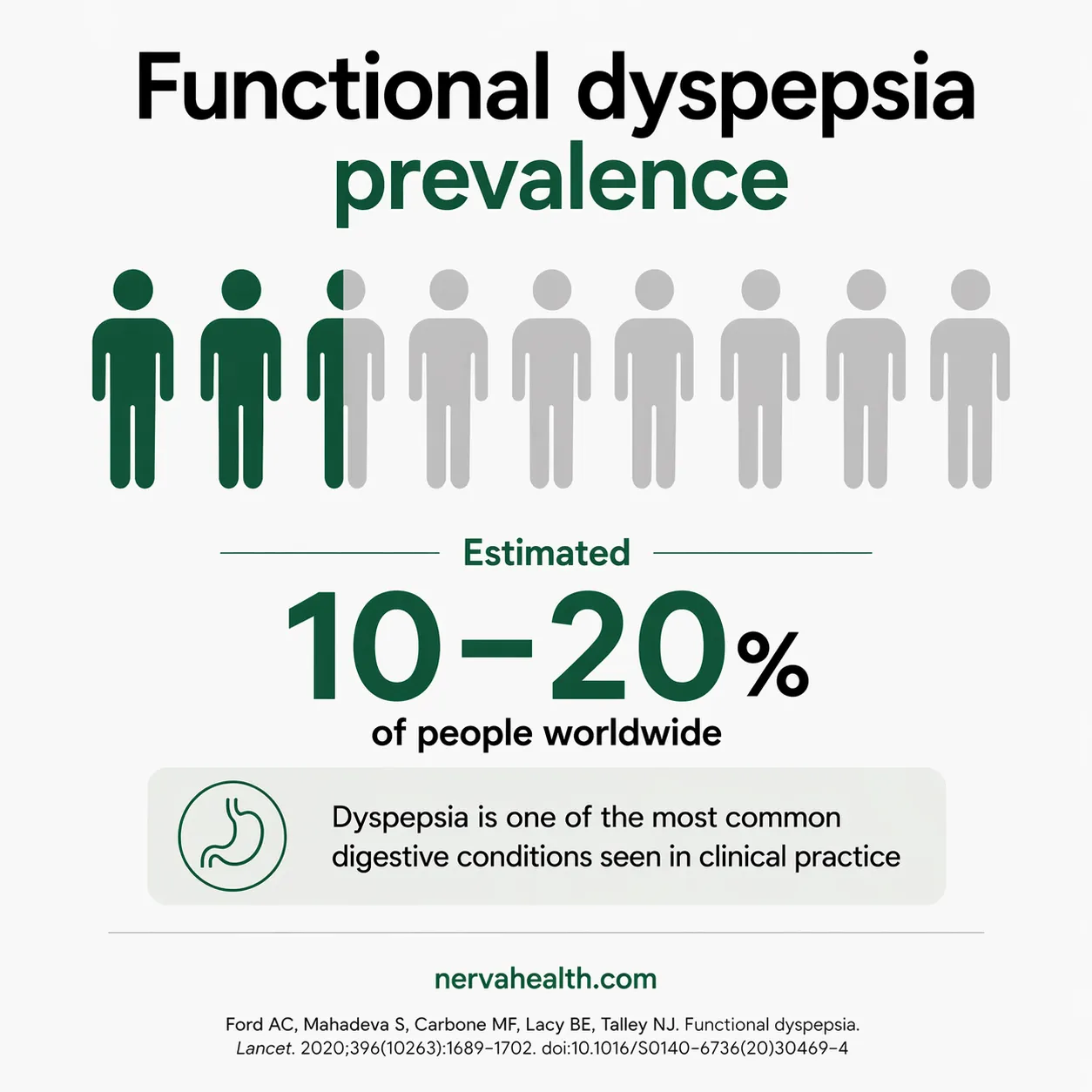
There are two main types, and many people experience a mix of both:
Postprandial distress syndrome (PDS) – feeling uncomfortably full after normal-sized meals, or filling up so quickly it's hard to finish eating
Epigastric pain syndrome (EPS) – burning or pain in the upper stomach area between meals, often unrelated to eating
For a deeper explanation of the condition itself, see our guide to functional dyspepsia.
Why do dyspepsia symptoms keep coming back?
Functional dyspepsia symptoms keep coming back because the underlying cause is a sensitized communication system between the gut and brain – not something that acid-reducing medication or diet changes alone can fix.
In people with functional dyspepsia, the nerves in the upper gut become overly sensitive, a process known as visceral hypersensitivity.² Normal digestive activity – like the stomach stretching after a meal or food moving through the small intestine – gets amplified by the nervous system and felt as pain, fullness, or nausea. On tests, the stomach itself looks completely healthy. The signals coming from it aren't.
This is why symptoms often continue even after H. pylori has been treated, acid has been reduced, or certain foods have been cut out. The surface-level triggers may have been dealt with, but the underlying sensitivity is still there.
How do you treat dyspepsia?
Most functional dyspepsia treatment plans combine medication, dietary changes, and – increasingly – gut-brain therapy. Each targets a different part of the problem.
Medications commonly prescribed for dyspepsia
Proton pump inhibitors (PPIs) like omeprazole or esomeprazole reduce stomach acid and are often the first thing doctors try, especially for epigastric pain syndrome. They help around 30–40% of people, which means most get partial relief at best.³
Prokinetics like domperidone or metoclopramide speed up stomach emptying and can help with feeling uncomfortably full after meals. Availability varies by country and long-term use is limited by side effects.³
H. pylori eradication with antibiotics is recommended if testing confirms the infection. Some people with functional dyspepsia experience lasting improvement after treatment.³
Low-dose tricyclic antidepressants like amitriptyline are used as neuromodulators – they work at low doses to calm nerve sensitivity in the gut, not to treat depression. The American College of Gastroenterology recommends them for functional dyspepsia that hasn't responded to acid suppression.³
Diet for functional dyspepsia: What to eat and what to avoid
Dietary changes can help reduce how intense symptoms feel, but rarely resolve functional dyspepsia on their own.
Smaller, more frequent meals, limiting high-fat foods, reducing carbonated drinks, and going easy on caffeine and alcohol can help some people manage their symptoms.⁴ A low FODMAP diet may also reduce symptoms in people whose functional dyspepsia overlaps with IBS, though it's not specifically a treatment for functional dyspepsia on its own.
Dietary changes help most when symptoms are clearly tied to specific meals or foods – but because the underlying sensitivity amplifies signals from normal digestion, cutting out foods rarely resolves symptoms completely.
Why diet and medication alone often aren't enough for dyspepsia
Medication and diet manage the symptoms of functional dyspepsia, but they don't target what's causing them to keep coming back.
A helpful way to think about it is a tree. Medication and dietary changes work at the branches – they can provide real, meaningful relief day to day. But the roots of functional dyspepsia sit in the nervous system: an overly sensitive communication pathway between the gut and brain that keeps producing symptoms regardless of what you eat or how much acid is in your stomach.
This is why so many people with functional dyspepsia describe the same pattern – a treatment helps for a while, then stops working; a food causes symptoms one week but not the next; symptoms shift, change, or stick around even when you're doing everything right. Without addressing what's happening at the gut-brain level, the underlying sensitivity doesn't go away.
Why does indigestion keep coming back?
Functional dyspepsia keeps coming back because the underlying cause is a sensitized communication system between the gut and brain – not something that acid-reducing medication or diet changes alone can fix.
In people with functional dyspepsia, the nerves in the upper gut become overly sensitive.² Normal digestive activity – like the stomach stretching after a meal or food moving through the small intestine – gets amplified by the nervous system and felt as pain, fullness, or nausea. On tests, the stomach itself looks completely healthy. The signals coming from it aren't.
This is why symptoms often continue even after H. pylori has been treated, acid has been reduced, or certain foods have been cut out. The surface-level triggers may have been dealt with, but the underlying sensitivity is still there.
“
You can play whack-a-mole trying to constantly identify the triggers and knock them all out. But ultimately, the underlying common denominator here that links everything is that hypersensitive or hyperreactive nervous system.
Dr. Jeffrey Nathanson
Gastroenterologist, Comprehensive Gastrointestinal Health
How gut-brain therapy helps dyspepsia
Gut-brain therapy is an evidence-based treatment that calms how the nervous system processes digestive signals, reducing the oversensitivity that drives functional dyspepsia symptoms.⁵
Unlike medication or diet, which manage symptoms as they come up, gut-brain therapy works on the underlying mechanism. It uses techniques like gut-directed hypnotherapy, cognitive behavioral tools, and breathing exercises to settle the over-reactive signaling between the gut and brain, so normal digestion stops being felt as pain, fullness, or nausea.
Major gastroenterology bodies now recognize gut-brain therapies as first-line care for disorders of gut-brain interaction, including functional dyspepsia. This includes the American College of Gastroenterology (ACG), the American Gastroenterological Association, and the Rome Foundation.⁶ In clinical trials, brain-gut behavioral therapies show response rates of around 70–80%, compared with 30–50% for many medications used for these conditions, and improvements are typically maintained for at least 12 months after treatment ends.⁷
“
Brain-gut behavioral therapies have great efficacy. They work really well in placebo-controlled trials. The effectiveness is strong long-term, up to seven years, and they're very safe. Should these therapies be offered earlier? The data suggests yes.
Dr. Jordan Shapiro
Gastroenterologist, The Gentle GI
How Nerva works for functional dyspepsia
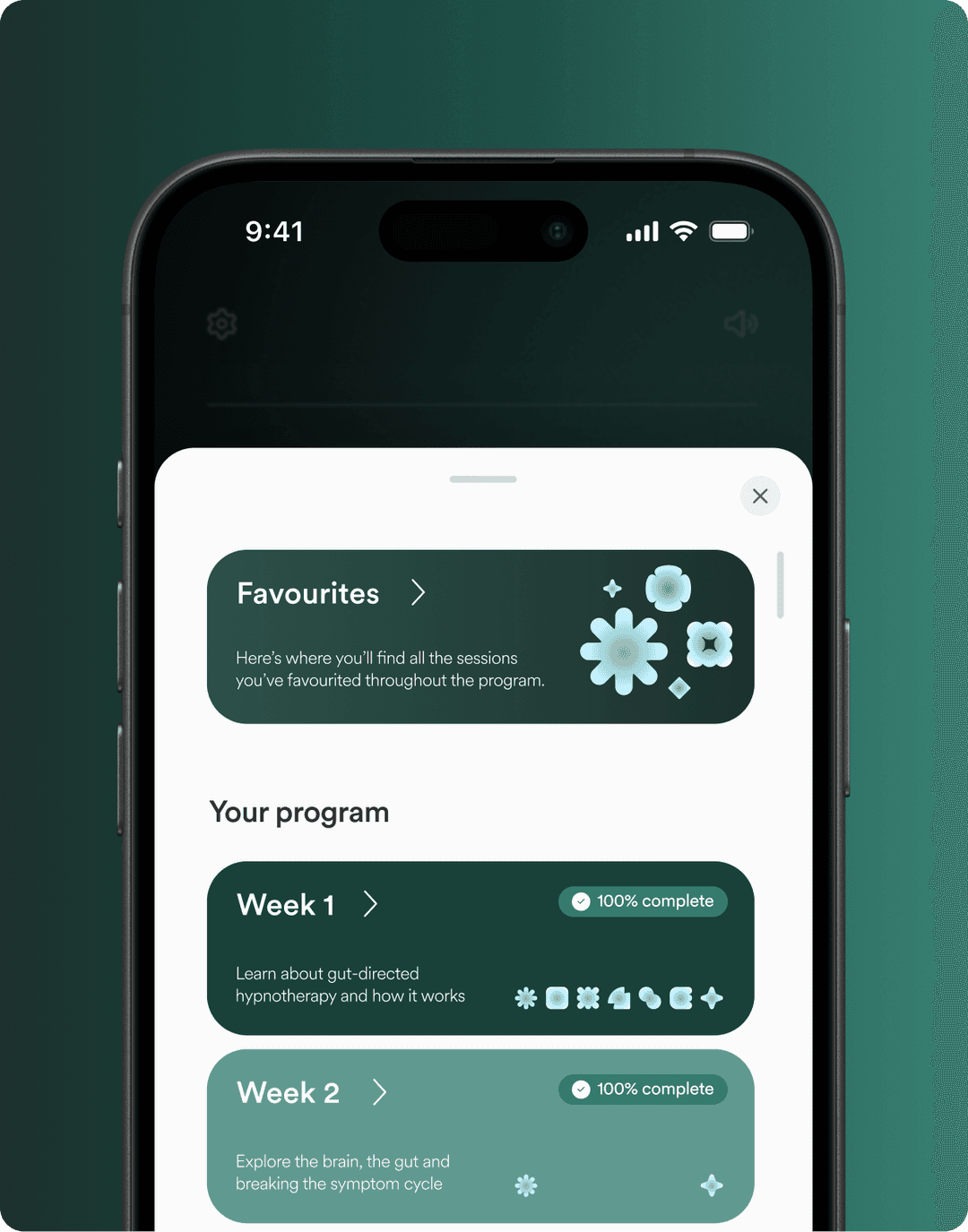
Nerva is a digital gut-brain therapy program delivered over 6 weeks, developed with researchers at Monash University. It's designed for disorders of gut-brain interaction, including functional dyspepsia and other upper GI symptoms.
Each day takes around 15–20 minutes and includes four core components:
Gut-directed hypnotherapy – short guided audio sessions that use relaxation and visualizations to help retrain gut-brain communication
Cognitive behavioral education – interactive lessons on how stress, thoughts, and the nervous system shape digestive symptoms
Breathing techniques – evidence-based exercises that help settle the nervous system during flare-ups
Symptom tracking – tools to monitor your progress over the program and beyond
Nerva's clinical evidence includes a randomized controlled trial published in the American Journal of Gastroenterology in 2025, in which 81% of participants with IBS achieved a clinically significant improvement in symptom severity.⁸ While this trial focused on IBS, around 70% of Nerva users report upper GI symptoms, and a real-world evidence study led by Yuying Luo, MD at Mount Sinai is currently investigating gut-directed hypnotherapy for functional upper GI disorders, including dyspepsia, functional heartburn, regurgitation, and excessive belching.⁹
Functional dyspepsia and IBS share the same underlying cause – an oversensitive communication system between the gut and brain – which is why a therapy that calms one can help the other. Nerva is designed to be used alongside medication and dietary changes as part of a full treatment plan, not instead of them.
When to see a doctor about functional dyspepsia
Functional dyspepsia is diagnosed by ruling out other causes, so it's important to see a doctor rather than self-diagnose. Make an appointment promptly if you have any of the following warning signs:
Unintentional weight loss
Blood in vomit or stool, or black, tarry stools
Difficulty swallowing
Persistent vomiting
New symptoms that start after age 55
A family history of upper GI cancer
These symptoms aren't typical of functional dyspepsia and need to be investigated to rule out other conditions before a diagnosis is confirmed.
Frequently asked questions
Can functional dyspepsia be cured?
Functional dyspepsia doesn't have a cure, but it's a manageable condition, and most people achieve lasting relief through a combination of medical, dietary, and gut-brain therapy approaches. Symptoms often fluctuate over time, with periods of flare-ups and calmer stretches.
How long does functional dyspepsia last?
Functional dyspepsia is typically chronic, with symptoms lasting months or years and fluctuating between flare-ups and quieter periods. Response to treatment varies, but improvements from gut-brain therapy are usually maintained for at least 12 months after the program ends.
What is the best medication for functional dyspepsia?
The best medication for functional dyspepsia depends on your main symptoms – PPIs are commonly prescribed first for upper abdominal pain, while prokinetics or low-dose amitriptyline may be used for post-meal fullness or symptoms that haven't responded to other treatments. Medication works best as one part of a plan that also addresses the underlying cause of symptoms.
Is functional dyspepsia caused by stress?
Functional dyspepsia isn't caused by stress, but stress can significantly worsen symptoms because it activates the same nervous system pathways that are already sensitized in functional dyspepsia. This is one reason therapies that calm the gut-brain connection can reduce how often and how severely symptoms flare.
Can gut-brain therapy help with functional dyspepsia?
Gut-brain therapy can help manage functional dyspepsia because it targets the oversensitive gut-brain communication that drives symptoms in disorders of gut-brain interaction. Clinical guidelines from the ACG, AGA, and Rome Foundation now recommend gut-brain therapies as first-line care for these conditions, including functional dyspepsia.
What foods trigger functional dyspepsia?
Common functional dyspepsia triggers include high-fat meals, carbonated drinks, caffeine, alcohol, and large portion sizes – though triggers vary significantly from person to person. Because the underlying sensitivity amplifies signals from normal digestion, avoiding trigger foods helps manage flare-ups but rarely resolves symptoms on its own.
References
Ford AC, Mahadeva S, Carbone MF, Lacy BE, Talley NJ. Functional dyspepsia. Lancet. 2020;396(10263):1689-1702. doi:10.1016/S0140-6736(20)30469-4
Vanheel H, Carbone F, Valvekens L, et al. Pathophysiological abnormalities in functional dyspepsia subgroups according to the Rome III criteria. Am J Gastroenterol. 2017;112(1):132-140. doi:10.1038/ajg.2016.499
Moayyedi P, Lacy BE, Andrews CN, Enns RA, Howden CW, Vakil N. ACG and CAG clinical guideline: management of dyspepsia. Am J Gastroenterol. 2017;112(7):988-1013. doi:10.1038/ajg.2017.154
Duncanson KR, Talley NJ, Walker MM, Burrows TL. Food and functional dyspepsia: a systematic review. J Hum Nutr Diet. 2018;31(3):390-407. doi:10.1111/jhn.12506
Keefer L, Ballou SK, Drossman DA, Ringstrom G, Elsenbruch S, Ljótsson B. A Rome Working Team report on brain-gut behavior therapies for disorders of gut-brain interaction. Gastroenterology. 2022;162(1):300-315. doi:10.1053/j.gastro.2021.09.015
Lacy BE, Pimentel M, Brenner DM, et al. ACG clinical guideline: management of irritable bowel syndrome. Am J Gastroenterol. 2021;116(1):17-44. doi:10.14309/ajg.0000000000001036
Lövdahl J, Törnblom H, Ringström G, Palsson OS, Simrén M. Randomised clinical trial: individual versus group hypnotherapy for functional gastrointestinal disorders. Aliment Pharmacol Ther. 2022;55(12):1501-1511. doi:10.1111/apt.16934
Anderson E, Peters SL, Gibson PR, Halmos EP. Comparison of digitally delivered gut-directed hypnotherapy program with an active control for irritable bowel syndrome. Am J Gastroenterol. 2025;120(2):347-356. doi:10.14309/ajg.0000000000003128
Luo Y, et al. Gut-directed hypnotherapy for functional upper gastrointestinal disorders. Mount Sinai. Forthcoming.

.jpeg)