Although rare, peppermint oil may cause an allergic reaction in some people, and symptoms such as:
• Nausea
• Headache
• Mouth sores
• Flushing (20)
It is important to note that drinking alcohol may increase the risk of an allergic reaction that may cause a rash, loss of coordination, and shaking. If this happens, you should seek medical attention as soon as possible.
Peppermint oil and GERD
Peppermint oil relaxes the muscles between the esophagus and the stomach, the lower esophageal sphincter, and worsen symptoms in people with gastroesophageal reflux disease (GERD). GERD is a long-term condition in which acid from the stomach moves up into the esophagus. It is best to consult a doctor before taking peppermint oil if you are or have previously experienced GERD. (21)
Peppermint oil and other medications
Peppermint does not interact with most drugs. But you may wish to avoid taking peppermint oil at the same time as antacids – a type of indigestion medication. Antacids dissolve the outer coating of the peppermint oil capsule and may cause heartburn and nausea. You should take antacids at least two hours after peppermint oil capsules to avoid any interactions. (22)
Peppermint oil may also boost the blood level of some medications. These include the antidepressant amitriptyline (Elavil) and the statin simvastatin (Zocor). It is therefore best to consult your doctor to ensure it is safe for you to take peppermint oil. (23)
Should I take peppermint oil?
Not everyone with IBS finds that peppermint oil will improve symptoms. Some people may respond better to other types of antispasmodic medication. It is best to consult a doctor or pharmacist regarding alternative medicines if peppermint oil does not improve symptoms.
Clinical benefits
Besides improving symptoms of IBS, peppermint oil has been used clinically to treat a variety of health conditions such as:
• Tension headache (24)
• Breastfeeding discomfort (25)
Non-oil alternatives
If you are suffering from IBS and concerned about the side effects of peppermint oil, there are several alternative treatment options. Since IBS is aggravated by stress and anxiety, lifestyle changes and psychological therapies may be of value such as:
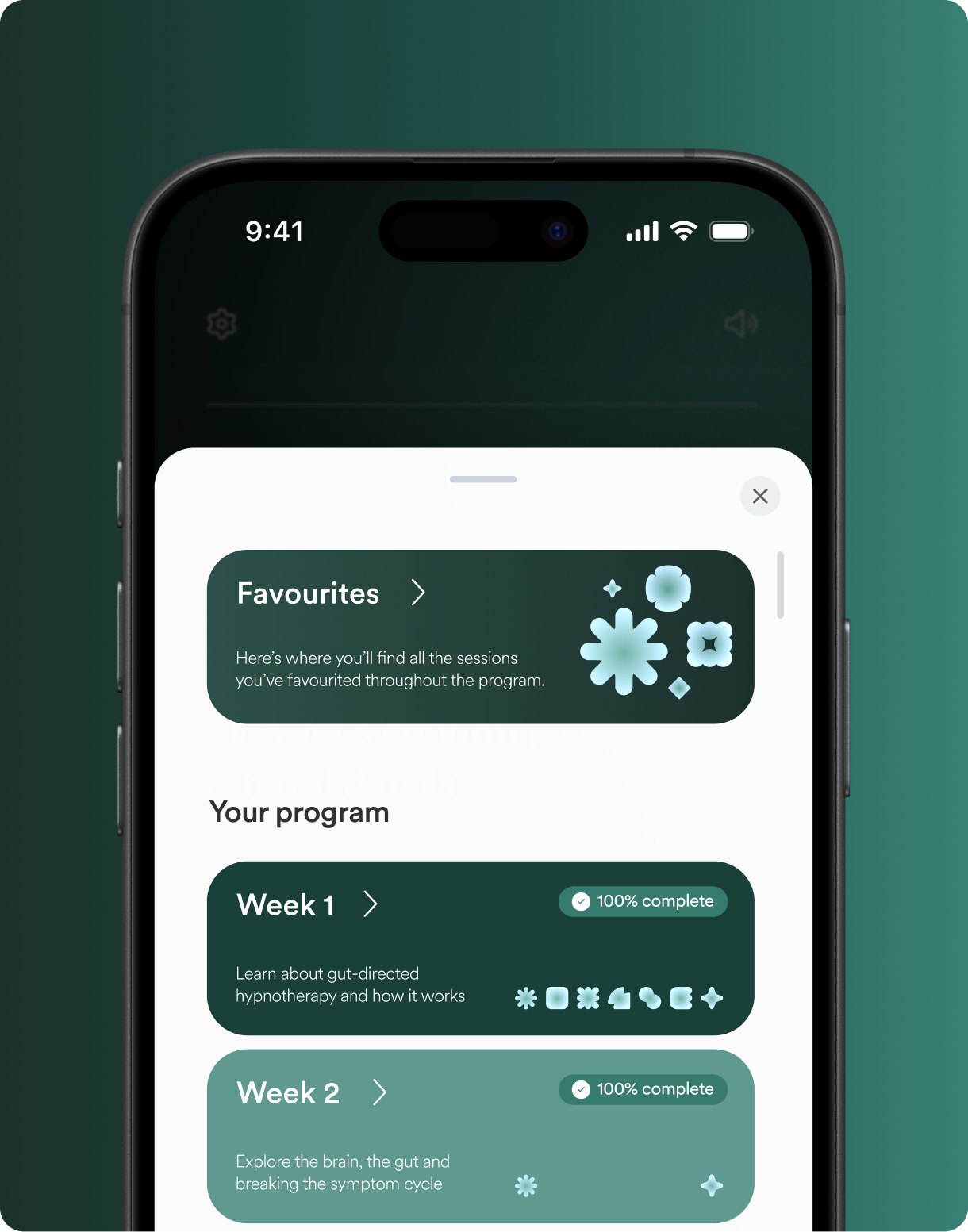
• Gut-directed hypnotherapy: a form of guided entry into a state of deep relaxation with suggestions to alleviate bowel pain and discomfort. This form of therapy has been shown to be highly effective in several recent clinical studies. (26) An app like Nerva delivers gut-directed hypnotherapy to your phone, enabling you to use this technique from home.
• Cognitive-behavioral therapy (CBT): this form of therapy involves retraining the mind to perceive sensations of the gut as normal, and to respond to thoughts positively. CBT has been shown to help reduce the perception of pain in IBS. (27)
• Yoga: this ancient practice combines physical and mental practices to strengthen the mind-body connection. In one study, participants who practiced yoga three times per week reported less severe symptoms and reduced anxiety. (28)
• Low FODMAP diet: this well-balanced diet that is catered to addressing the specific symptoms of IBS. The diet removes common foods that trigger IBS symptoms and has been shown effective in several clinical studies. (29)
The Wrap Up
Peppermint oil is an essential oil that is useful for IBS. It produces fewer side effects than other antispasmodic medications and in capsule form, peppermint oil relieves abdominal pain by soothing the nerves of the gut and reducing inflammation. It is generally a safe and well-tolerated medicine. However, in rare cases, peppermint oil may cause heartburn or an allergic reaction.
References
1. Spirling, L.I. and Daniels, I.R., 2001. Botanical perspectives on health peppermint: more than just an after-dinner mint. The journal of the Royal Society for the Promotion of Health, 121(1), pp.62-63. https://www.jwatch.org/na49892/2019/09/12/peppermint-oil-irritable-bowel-syndrome
2. Morton, C.A., Garioch, J., Todd, P., Lamey, P.J. and Forsyth, A., 1995. Contact sensitivity to menthol and peppermint in patients with intra‐oral symptoms. Contact Dermatitis, 32(5), pp.281-284. https://pubmed.ncbi.nlm.nih.gov/7634781/
3. Tate, S., 1997. Peppermint oil: a treatment for postoperative nausea. Journal of ad-vanced nursing, 26(3), pp.543-549. https://elibrary.ru/item.asp?id=4981075
4. Sarbeen, J.I., 2015. Preliminary phytochemical analysis of Peppermint Oil and Tulsi Oil. Research Journal of Pharmacy and Technology, 8(7), pp.929-931. http://www.indianjournals.com/ijor.aspx?target=ijor:rjpt&volume=8&issue=7&article=024
5. Pittler, M.H. and Ernst, E., 1998. Peppermint oil for irritable bowel syndrome: a critical re-view and metaanalysis. The American Journal of Gastroenterology, 7(93), pp.1131-1135. https://www.infona.pl/resource/bwmeta1.element.elsevier-38ca0c30-0ffb-3932-86da-5dfca18300fc
6. Alammar, N., Wang, L., Saberi, B., Nanavati, J., Holtmann, G., Shinohara, R.T. and Mullin, G.E., 2019. The impact of peppermint oil on the irritable bowel syndrome: a meta-analysis of the pooled clinical data. BMC complementary and alternative medicine, 19(1), p.21. https://www.ncbi.nlm.nih.gov/pmc/articles/PMC6337770/
7. Ford, A.C., Talley, N.J., Spiegel, B.M., Foxx-Orenstein, A.E., Schiller, L., Quigley, E.M. and Moayyedi, P., 2008. Effect of fibre, antispasmodics, and peppermint oil in the treat-ment of irritable bowel syndrome: systematic review and meta-analysis. Bmj, 337, p.a2313. https://www.bmj.com/content/337/bmj.a2313
8. Khanna, R., MacDonald, J.K. and Levesque, B.G., 2014. Peppermint oil for the treatment of irritable bowel syndrome: a systematic review and meta-analysis. Journal of clinical gas-troenterology, 48(6), pp.505-512. https://insights.ovid.com/clinical-gastroenterology/jcga/2014/07/000/peppermint-oil-treatment-irritable-bowel-syndrome/11/00004836
9. Jwatch.org. 2020. NEJM Journal Watch: Summaries Of And Commentary On Original Medical And Scientific Articles From Key Medical Journals. [online] Available at: <https://www.jwatch.org/na49892/2019/09/12/peppermint-oil-irritable-bowel-syndrome> [Accessed 11 July 2020]. https://www.jwatch.org/na49892/2019/09/12/peppermint-oil-irritable-bowel-syndrome
10. Hayes, P.A., Fraher, M.H. and Quigley, E.M., 2014. Irritable bowel syndrome: the role of food in pathogenesis and management. Gastroenterology & hepatology, 10(3), p.164. https://www.ncbi.nlm.nih.gov/pmc/articles/PMC4014048/
11. Nolen III, H.W. and Friend, D.R., 1994. Menthol-β-d-glucuronide: A potential prodrug for treatment of the irritable bowel syndrome. Pharmaceutical research, 11(12), pp.1707-1711. https://link.springer.com/article/10.1023/A:1018950930134
12. Alam, M.S., Roy, P.K., Miah, A.R., Mollick, S.H., Khan, M.R., Mahmud, M.C. and Khatun, S., 2013. Efficacy of Peppermint oil in diarrhea predominant IBS-a double blind random-ized placebo-controlled study. Mymensingh medical journal: MMJ, 22(1), p.27. https://pubmed.ncbi.nlm.nih.gov/23416804/
13. Kiani, M.A., Ghasemi, A., Poursoltani, E., Hoseini, B.L., Ahanchian, H.A.M.I.D. and Saeidi, M.A.S.U.M.E.H., 2014. Effect of Peppermint Essence on Satisfaction of Patient and Medical Team with Pediatrics' Endoscopic Examination. Int. J Pediatr, 2(4-1), pp.233-37. http://citeseerx.ist.psu.edu/viewdoc/download?doi=10.1.1.935.3771&rep=rep1&type=pdf
14. McKay, D.L. and Blumberg, J.B., 2006. A review of the bioactivity and potential health benefits of peppermint tea (Mentha piperita L.). Phytotherapy Research: An International Journal Devoted to Pharmacological and Toxicological Evaluation of Natural Product De-rivatives, 20(8), pp.619-633. htps://onlinelibrary.wiley.com/doi/abs/10.1002/ptr.1936
15. Trinkley, K.E. and Nahata, M.C., 2014. Medication management of irritable bowel syn-drome. Digestion, 89(4), pp.253-267. https://www.karger.com/Article/Abstract/362405
16. Khanna, R., MacDonald, J.K. and Levesque, B.G., 2014. Peppermint oil for the treatment of irritable bowel syndrome: a systematic review and meta-analysis. Journal of clinical gas-troenterology, 48(6), pp.505-512. https://insights.ovid.com/jcga/201407000/00004836-201407000-00011
17. Jarosz, M. and Taraszewska, A., 2014. Risk factors for gastroesophageal reflux disease: the role of diet. Przeglad gastroenterologiczny, 9(5), p.297. https://www.ncbi.nlm.nih.gov/pmc/articles/PMC4223119/
18. Sandhu, B.K. and Paul, S.P., 2014. Irritable bowel syndrome in children: pathogenesis, diagnosis and evidence-based treatment. World journal of gastroenterology: WJG, 20(20), p.6013. https://www.ncbi.nlm.nih.gov/pmc/articles/PMC4033441/
19. Park, M.E. and Zippin, J.H., 2014. Allergic contact dermatitis to cosmetics. Dermatologic clinics, 32(1), pp.1-11. https://pubmed.ncbi.nlm.nih.gov/24267417/
20. Bayat, R. and Borici-Mazi, R., 2014. A case of anaphylaxis to peppermint. Allergy, Asthma & Clinical Immunology, 10(1), p.6. https://link.springer.com/article/10.1186/1710-1492-10-6
21. Nundy, S., 2017. Sir Ganga Ram Hospital Health Series: Heartburn and Reflux Oesopha-gitis-e-book. Elsevier Health Sciences. https://books.google.co.uk/books?hl=en&lr=&id=akkeDgAAQBAJ&oi=fnd&pg=PP1&dq=gerd+peppermint+oil+bad&ots=WvonVqSOLy&sig=nuTHKeBz36OhNidEiGkLYltUMaU&redir_esc=y#v=onepage&q=gerd%20peppermint%20oil%20bad&f=false
22. Nccih.nih.gov. 2020. [online] Available at: <https://www.nccih.nih.gov/health/peppermint-oil> [Accessed 10 July 2020]. https://www.nccih.nih.gov/health/peppermint-oil
23. Kligler, B. and Chaudary, S., 2007. Peppermint oil. American family physician, 75(7), pp.1027-1030. https://www.aafp.org/afp/2007/0401/p1027.html
24. Göbel, H., Schmidt, G., Dworschak, M., Stolze, H. and Heuss, D., 1995. Essential plant oils and headache mechanisms. Phytomedicine, 2(2), pp.93-102. https://www.sciencedirect.com/science/article/abs/pii/S094471131180053X
25. Melli, M.S., Rashidi, M.R., Delazar, A., Madarek, E., Maher, M.H.K., Ghasemzadeh, A., Sadaghat, K. and Tahmasebi, Z., 2007. Effect of peppermint water on prevention of nip-ple cracks in lactating primiparous women: a randomized controlled trial. International Breastfeeding Journal, 2(1), p.7. https://link.springer.com/article/10.1186/1746-4358-2-7
26. Lindfors, P., Unge, P., Arvidsson, P., Nyhlin, H., Björnsson, E., Abrahamsson, H. and Sim-rén, M., 2012. Effects of gut-directed hypnotherapy on IBS in different clinical settings—results from two randomized, controlled trials. American Journal of Gastroenterolo-gy, 107(2), pp.276-285. https://pubmed.ncbi.nlm.nih.gov/21971535/
27. Lackner, J.M., Keefer, L., Jaccard, J., Firth, R., Brenner, D., Bratten, J., Dunlap, L.J., Ma, C., Byroads, M. and IBSOS Research Group, 2012. The Irritable Bowel Syndrome Out-come Study (IBSOS): rationale and design of a randomized, placebo-controlled trial with 12 month follow up of self-versus clinician-administered CBT for moderate to severe irrita-ble bowel syndrome. Contemporary clinical trials, 33(6), pp.1293-1310. https://www.sciencedirect.com/science/article/pii/S1551714412001929?casa_token=1gfmC3ujh0YAAAAA:SqVDEk_fc5_URMfWty4Qu18sQzfTI1K9prkhjwc3ew-DuMl-Jcj_XE3V9tAVPYCu2qOYHhNZ
28. Kuttner, L., Chambers, C.T., Hardial, J., Israel, D.M., Jacobson, K. and Evans, K., 2006. A randomized trial of yoga for adolescents with irritable bowel syndrome. Pain Research and Management, 11. https://www.hindawi.com/journals/prm/2006/731628/
29. Halmos, E.P., Power, V.A., Shepherd, S.J., Gibson, P.R. and Muir, J.G., 2014. A diet low in FODMAPs reduces symptoms of irritable bowel syndrome. Gastroenterology, 146(1), pp.67-75. https://research.monash.edu/en/publications/a-diet-low-in-fodmaps-reduces-symptoms-of-irritable-bowel-syndrom