A study published in the Journal of Psychosomatic Research showed a clear link between binge eating and gastrointestinal symptoms consistent with IBS in both men and women. In addition to watching your portions and skipping seconds, practice mindful eating this Christmas.
Some tips on how to eat mindfully include:
Engage your senses: take notice of the food before you put it in your mouth. What does it smell like, how does it look, and what is the texture? Take a moment to appreciate it.
Eat slowly: Chew your food, and take note of the flavor. Try to pick out elements that you like. Savor it as you chew.
Acknowledge your feelings: Does a burst of flavor make you immediately want to pop another serving on your plate? Are you excited to have more? Nervous about overeating? Does a flavor bring back certain emotions? Listen to your feelings.
Be present: Between bites, put your knife and fork down. Be present in the room; sip your drink, be part of the conversations, and enjoy other aspects of the event. You might want to take note of the decorations or the music. Feed your mind and your belly.
Pay attention to your hunger cues: Over the holidays, many people struggle to distinguish between actual hunger and non-hunger triggers for eating. Listen to your stomach, and when you're no longer hungry – stop.

4. Want a silent night? Plan to keep gas and other symptoms away
Even at Christmas, an ounce of prevention is worth a pound of cure. Whether you're having people over or heading out for Christmas day, make an IBS plan before the festivities begin:
Keep your medication close: Keep some antacids, pain medicines, and anti-flatulence medications on hand, and pack an emergency kit if celebrations are far from home.
Check the menu: If you're not hosting, make sure you ask what will be served and check ingredients for potential IBS triggers.
BYO gut-friendly alternatives: offer to bring a salad, side-dish, or dessert that's big enough to share, that way, you can relax knowing that one dish is 100% IBS-safe.
Locate the bathroom early on: Ask your host where the bathrooms are ahead of time, in case you get an urgent call of nature, and pack air freshener in your bag. If you're comfortable asking, see if you can use a bathroom further away from other guests.
Share your feelings: Feeling nervous about a possible flare? Let your guests/host know that you're living with a health condition that means you have to watch your diet or excuse yourself to the bathroom occasionally.

5. T'is the season to be jolly — and calm
While holidays bring joy, they can also be a huge source of stress for many people. Financial pressures, time pressures, and IBS anxiety can all lead to an increase in digestive problems.
One study suggests that stressful life events can worsen abdominal pain and abdominal distension (bloating) in up to one-third of people with IBS. What's more, evidence from clinical and experimental research shows that psychological stresses have a significant impact on intestinal sensitivity and how your intestines function.
Reduce the likelihood of Christmas IBS attacks by managing your stress during the holidays. Some ways to reduce stress include:
Manage expectations: Don't feel obliged to buy more than you can afford, arrive earlier than you can, or do more than you're able to. Be realistic and communicate expectations with family and friends.
Take some exercise: Exercise is often noted to have a beneficial effect on mood, but did you know it can also affect your gut? A 2011 randomized control trial showed that moderate exercise can improve gastrointestinal symptoms of IBS.
Breathe it out: Diaphragmatic breathing has been shown to have a positive effect on mental health, with a 2010 study indicating that even a single breathing practice significantly reduces blood pressure.
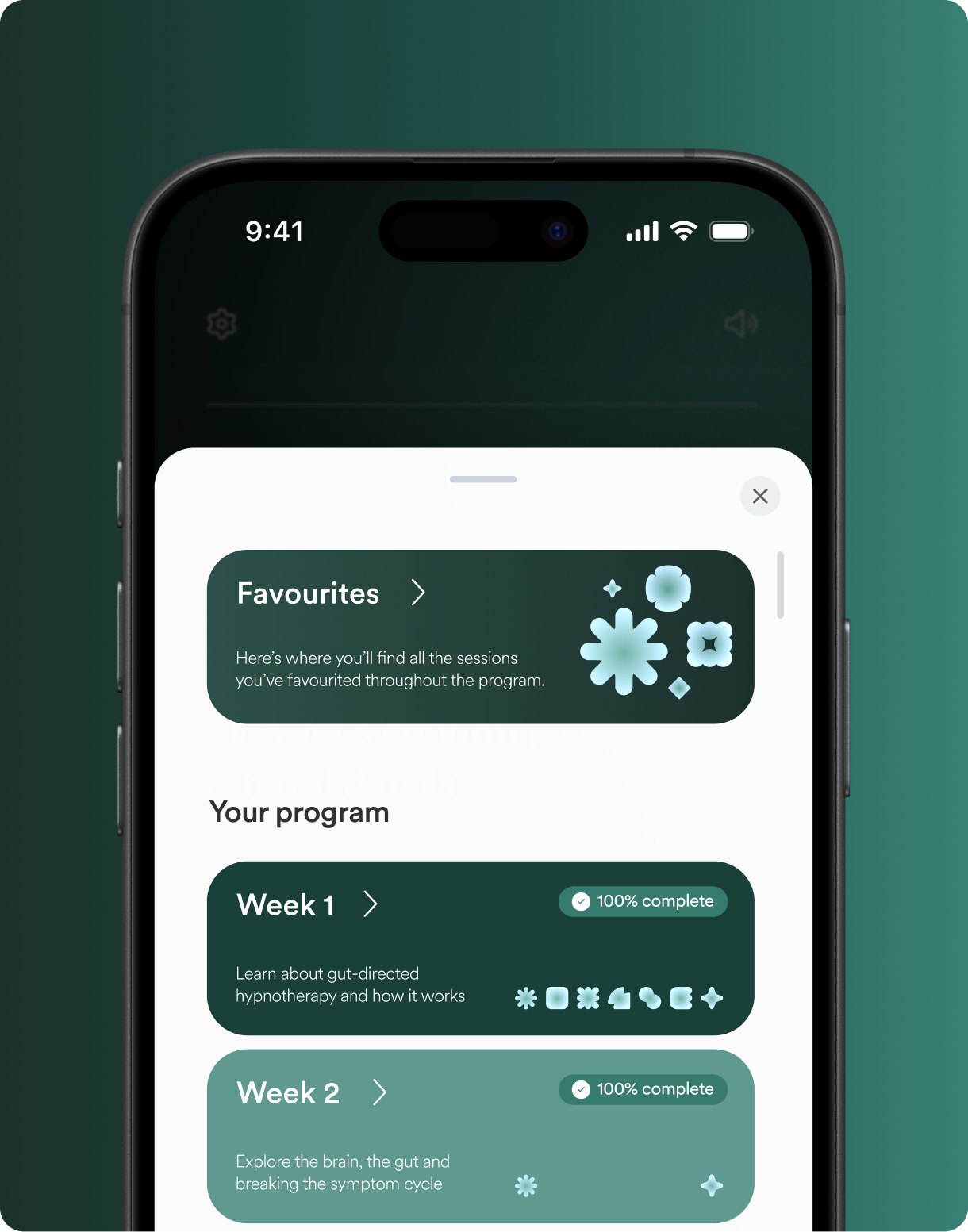
Try hypnotherapy for IBS: Hypnotherapy has been shown to calm irritated bowels and relieve IBS anxiety. Additionally, IBS hypnotherapy apps, like Nerva, can also be done on the move, which makes it a good option if you’re traveling this season.
Find your bliss: Put your feet up, pour some lactose-free eggnog, and settle in with your favorite Christmas film. Do a little of whatever makes you feel festive and bright.
The Wrap Up
The holiday season may be ‘the most wonderful time of the year’, but that doesn’t mean it’s a breeze when you’re living with IBS. Digestion issues during the holidays can cause significant stress and difficulties. Some helpful tips for making your holidays gut-friendly include cutting out carbonated drinks, watching your portions, taking steps to eat mindfully, and planning ahead for any social events that revolve around food. Finally, take time to relax and enjoy yourself. Pop on your jammies, cozy up, and remember that IBS doesn’t mean you can't eat, drink, and be merry.
References
Childs E, de Wit H. Regular exercise is associated with emotional resilience to acute stress in healthy adults. Front Physiol. 2014;5:161. Published 2014 May 1. doi:10.3389/fphys.2014.00161
Cozma-Petruţ A, Loghin F, Miere D, Dumitraşcu DL. Diet in irritable bowel syndrome: What to recommend, not what to forbid to patients!. World J Gastroenterol. 2017;23(21):3771-3783. doi:10.3748/wjg.v23.i21.3771
Johannesson E, Simrén M, Strid H, Bajor A, Sadik R. Physical activity improves symptoms in irritable bowel syndrome: a randomized controlled trial. Am J Gastroenterol. 2011;106(5):915-922. doi:10.1038/ajg.2010.480
Ma X, Yue ZQ, Gong ZQ, et al. The Effect of Diaphragmatic Breathing on Attention, Negative Affect and Stress in Healthy Adults. Front Psychol. 2017;8:874. Published 2017 Jun 6. doi:10.3389/fpsyg.2017.00874
Nelson JB. Mindful Eating: The Art of Presence While You Eat. Diabetes Spectr. 2017;30(3):171-174. doi:10.2337/ds17-0015
Peat CM, Huang L, Thornton LM, et al. Binge eating, body mass index, and gastrointestinal symptoms. J Psychosom Res. 2013;75(5):456-461. doi:10.1016/j.jpsychores.2013.08.009
Simrén M, Månsson A, Langkilde AM, et al. Food-related gastrointestinal symptoms in the irritable bowel syndrome. Digestion. 2001;63(2):108-115. doi:10.1159/000051878
Surdea-Blaga T, Băban A, Dumitrascu DL. Psychosocial determinants of irritable bowel syndrome. World J Gastroenterol. 2012;18(7):616-626. doi:10.3748/wjg.v18.i7.616
Qin HY, Cheng CW, Tang XD, Bian ZX. Impact of psychological stress on irritable bowel syndrome. World J Gastroenterol. 2014;20(39):14126-14131. doi:10.3748/wjg.v20.i39.14126
Wang SZ, Li S, Xu XY, et al. Effect of slow abdominal breathing combined with biofeedback on blood pressure and heart rate variability in prehypertension. J Altern Complement Med. 2010;16(10):1039-1045. doi:10.1089/acm.2009.0577