Key takeaways:
- Natural home remedies such as herbs, dietary changes, exercise, and mind-body therapies may ease IBS symptoms, but always tell your doctor what you are trying.
- Peppermint oil, the first herb approved by the American College of Gastroenterology for treating IBS, is thought to relax gut muscles and improve motility.
- The low FODMAP diet, gradual fiber adjustments, and combinations of probiotics and prebiotics may improve symptoms like bloating, abdominal pain, and constipation.
- Hypnotherapy has been shown to reduce gut symptoms such as abdominal pain, bloating, and nausea by up to 72%, and is now available through apps like Nerva.
But, while natural remedies may have less side effects compared to prescription medicines, be aware that there is more research available on the long term effects of prescription medicines, and they're better regulated. No matter which home remedy you choose, make sure you talk to your doctor about all the things you are doing to manage your IBS.
With that in mind, let's countdown the top 10 best natural home remedies for IBS.
10. Herbs for IBS
Several herbs may relieve abdominal pain and bloating, and general symptoms of IBS:
Peppermint Oil: is the first herb to be approved by the American College of Gastroenterology for treating IBS. Peppermint oil is thought to relax the muscles of the gut to improve motility (the passage of food through the gut). Studies show the herb is more effective than antispasmodic medication.
Ginger: is a plant that may reduce gas and bloating. The active ingredient, gingerol, has antibacterial, antiemetic, and sedative properties that may reduce pain and restore gut function. However, there is no current scientific explanation for how ginger improves IBS symptoms and more research is needed.
Aloe vera: Often sold as a juice, aloe vera is thought to treat symptoms of diarrhea and constipation. The anti-inflammatory properties of Aloe vera are thought to reduce inflammation in the gut. There is mixed scientific evidence as to whether Aloe vera is effective, and the herb should be considered a complementary therapy.
Herbs for IBS-C
Some herbs are thought to quiet down symptoms of constipation-predominant IBS (IBS-C). Among them:
Herbal laxatives: containing anthraquinones, such as senna, cascara, rhubarb and frangula may to stimulate bowel movements. However, this herb has not been well studied.
Slippery elm: in powdered form powder may soothe heartburn and mild stomach discomfort. This herb may relieve constipation in people with IBS-C, according to a small study.
Triphala: is made from the fruit of the Amalaki tree and thought to reduce constipation, abdominal pain and bloating.
Herbs for IBS-D
Certain herbs have been shown to relieve symptoms of diarrea-predominant IBS (IBS-D). These include:
Chamomile: comes from the daisy-like plant and can be consumed in tea, or as a liquid or capsule. It is thought to reduce spasms in the gut causing pain, according to a small study.
Berry leaf teas: including those made from blueberry, blackberry or raspberry contain tannins which may decrease inflammation. These teas may reduce symptoms of diarrhea.
9. Iberogast
Iberogast is a herbal formulation, consumed in a capsule, to treat IBS. It was developed in Germany and has a long history in medicine of over fifty years. It is also known as ‘STW-5’ and the active ingredients include:
Bitter candytuft
Dried angelica root
Dried chamomile flower head
Dried caraway fruit
Milk thistle dried fruit
Dried balm leaf
Dried peppermint leaf
Dried celandine
Dried liquorice root
Iberogast improves digestive health through at least two mechanisms. The bitter candytuft increases intestinal muscle tone, and the other compounds prevent intestinal spasms. Iberogast may also stimulate bile production (a liquid for digesting fats) and increase motility (movement of food through the intestines).
8. Low FODMAP diet
The low FODMAP diet relieves symptoms of IBS at home, according to several studies. This diet eliminates foods containing compounds known as FODMAPs (fermentable oligosaccharides, disaccharides, monosaccharides, and polyols) that are poorly absorbed in the gut. Foods that include FODMAPs include:
Dairy products such as milk, yoghurt, ice-cream, and cheeses
Vegetables such as onions, garlic, broccoli, cabbage, and mushrooms
Sweeteners such as honey, sorbitol, and high fructose corn syrup
Wheat such as breads, cereals, pastas, and crackers
Fruits such as peaches, apples, pears, apricots, cherries, and blackberries.
The diet is split into two phases. Firstly, foods high in FODMAPs are eliminated for two weeks. Then, foods are slowly re-introduced, one by one. If you feel a reaction to a certain food when it's reintroduced, you know to avoid that food. You may wish to consult a dietitian when adopting the low FODMAP diet. This will ensure you can receive complete nutrition even though you are eliminating many foods.
While the low FODMAP diet can be very effective in managing IBS symptoms, many people prefer a management option that doesn't limit the foods they can and can't eat.
7. Eat more (or less) fiber
Fiber is known to ‘clean up’ the bowels and improve some symptoms ofIBS. Fiber can be found in whole grains, fruits, vegetables and beans. It can also be taken as a supplement such as Metamucil or Citrucel. The active ingredient in Metamucil is psyllium powder, shown in a 2017 study to benefit all three subtypes of IBS.
However, some patients may benefit from a low-fiber diet to reduce cramping and abdominal pain. High-fiber foods are also high in FODMAPS, which can contribute to some IBS symptoms. The best approach is to slowly increase the fiber in your diet over a period of several weeks and observe any changes in symptoms.
6. Probiotics and prebiotics
Probiotics are specific strains of ‘good’ bacteria that are thought to improve digestive health. They can be taken as supplements, or found in foods such as yoghurt, kimchi, kefir, and Kombucha.
By improving gut health, probiotics may also improve IBS symptoms. Probiotic supplements that contain lactobacillus and Bifidobacterium, have been shown to help manage IBS symptoms in some studies.
Prebiotics are essentially food for ‘good bacteria’ living in the gut. People with IBS have lower levels of bifidobacetria, and prebiotics raise levels of this bacteria to normal. Prebiotics are found naturally in many foods such as:
Oats, wheat products and wholegrains
Bananas
Artichokes
Asparagus
Onions
Studies have shown prebiotics improve symptoms such as bloating and flatulence. A combination of probiotics and prebiotics may improve abdominal pain, bloating and constipation.
5. Lower your stress levels
Taking the time to relax at home can be a wonderful treatment for IBS as stress can be a big contributor to IBS symptoms. Relaxation techniques that can help alleviate symptoms include:
Progressive muscle relaxation: Focusing on one part of the body at a time and relaxing it, this technique may calm the misfiring signals of the gut. This and other practices of meditation have been shown effective by research.
Visualization/positive imagery: Imagining you are in a tranquil and peaceful place, surrounded by beauty helps to focus attention away from sensations in the body. This therapy helps guide you away from sensations in the body that worsen IBS.
Deep breathing: Breathing exercises can also help calm down the nerves that are misfiring in IBS. A study from 2013 found that those who tried deep breathing exercises reported fewer IBS symptoms than those who didn’t.
Hypnotherapy: One key aspect of hypnotherapy for IBS is that it involves guided relaxation and visualisations that can reduce stress. But more on that later.
4. Exercise
Exercise is thought to ease IBS symptoms. Endorphins are released when you exercise and these can act as a natural painkiller and help improve abdominal pain. It's also been shown that regular exercise can lower rates of depression and anxiety, which can be a contributor to IBS.
A 2018 study found that low- to moderate-intensity exercise can improve symptoms while those who were less physically active showed more severe symptoms.
3. Yoga
Yoga has been shown to relieve symptoms of IBS by helps you become more ‘in-touch’ with your senses and developing a positive feeling. Research suggests that yoga helps to restore normal signals in the nervous system.
Pranayama (breathing control) yoga helps people with diarrhea-predominant IBS by increasing levels of sympathetic tone. Savasana, the final resting pose at the end of most yoga sessions, can help de-stress your body and provides a temporary escape from all your anxiety and stress, reducing IBS symptoms. Yoga can be practiced at-home with the aid of online instructional videos.
2. CBT
Mental health therapies can be effective at managing IBS symptoms. The gut and brain talk to one another through nerve signals, and treating the mind can improve digestive symptoms. (33)
Cognitive-behavioural therapy (CBT) helps patients to understand and improve the relationship between thoughts, emotions and actions. This reduces stress, negative feelings and false perceptions.
CBT can be adapted to improve symptoms of IBS. Here, the patient is guided to identify negative attitudes towards symptoms such as abdominal pain that may worsen the condition. This treatment is available as an at home through online programs. (34, 35)
1. Hypnotherapy
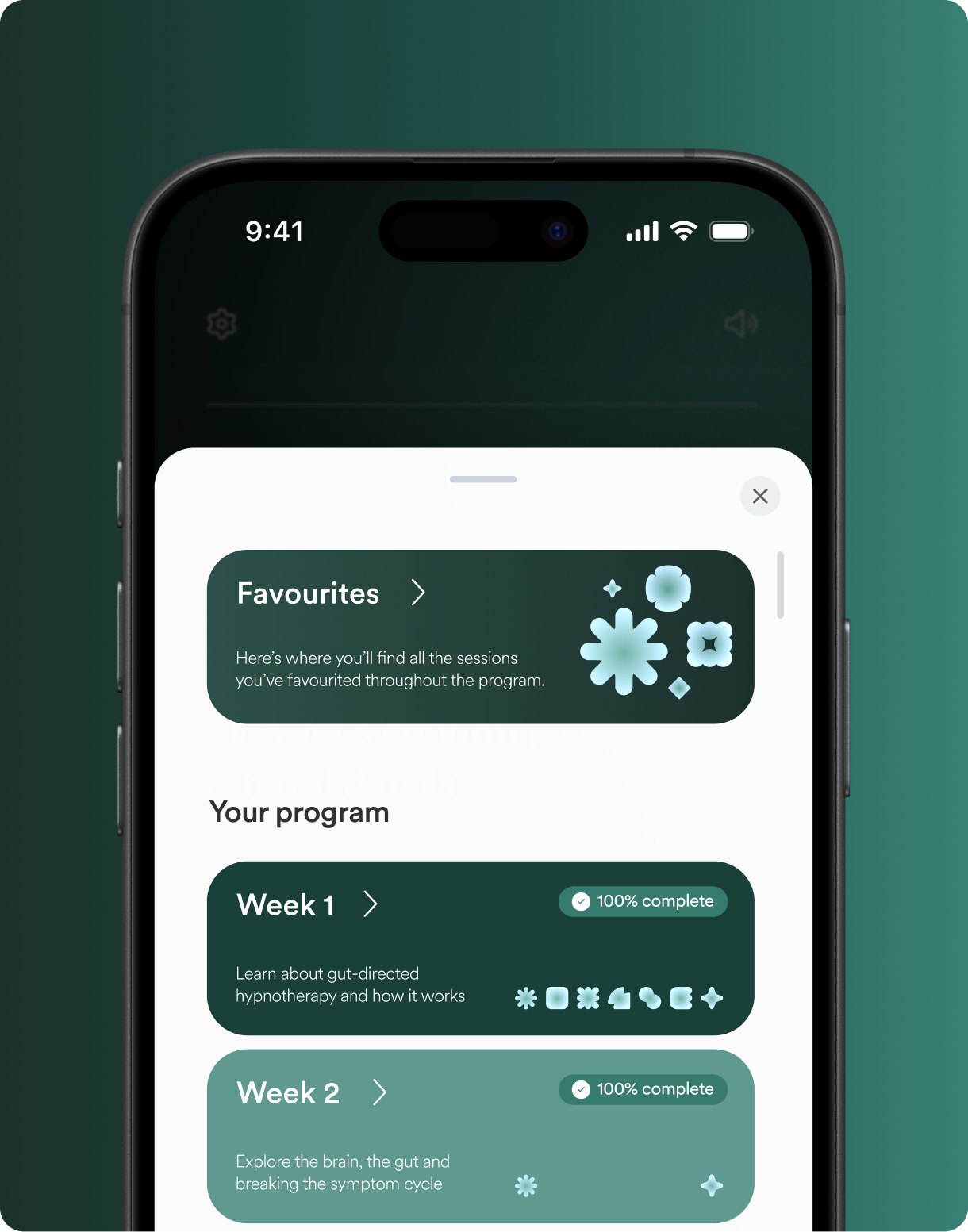
Hypnotherapy has been shown to reduce gut symptoms such as abdominal pain, bloating and nausea by up to 72%. With hypnotherapy for IBS programs now available through apps such as Nerva, there is now no need to leave home to access this management tool. hypnotherapy to be accessible from home. This treatment works to relax the tightness of intestinal muscles through guided relaxation and suggestive imagery.
While the low FODMAP diet has often been the go-to option for managing IBS symptoms, many people are now choosing to try hypnotherapy as a way to reduce their symptoms without avoiding foods. 89% of Nerva users report better managed gut symptoms after six weeks of the at home hypnotherapy program.
Bonus tip: Go easy on laxatives
Over-the-counter medications can improve IBS symptoms or make them worse. The Mayo Clinic recommends caution when taking IBS medications for diarrhea such as Imodium, or constipation such as polyethene glycol (also called Miralax).
The Wrap Up
There are many natural ways you can treat symptoms of irritable bowel syndrome from home. This saves the need to purchase over-the-counter medications or prescription medications. Safe and effective home remedies include herbal supplements, dietary changes, exercise and relaxation techniques, including hypnotherapy. These all work to restore the digestive system to normal function. However, it is also advisable to seek the advice of a doctor to assess symptoms of IBS.
References
1. Ford, A.C., Moayyedi, P., Chey, W.D., Harris, L.A., Lacy, B.E., Saito, Y.A. and Quigley, E.M., 2018. American College of Gastroenterology monograph on management of irritable bowel syndrome. American Journal of Gastroenterology, 113, pp.1-18. Link
2. Alam, M.S., Roy, P.K., Miah, A.R., Mollick, S.H., Khan, M.R., Mahmud, M.C. and Khatun, S., 2013. Efficacy of Peppermint oil in diarrhea predominant IBS-a double blind randomized placebo-controlled study. Mymensingh medical journal: MMJ, 22(1), pp.27-30. Link
3. Nikkhah Bodagh, M., Maleki, I. and Hekmatdoost, A., 2019. Ginger in gastrointestinal disorders: a systematic review of clinical trials. Food science & nutrition, 7(1), pp.96-108. Link
4. Alam, M.S., Roy, P.K., Miah, A.R., Mollick, S.H., Khan, M.R., Mahmud, M.C. and Khatun, S., 2013. Efficacy of Peppermint oil in diarrhea predominant IBS-a double blind randomized placebo-controlled study. Mymensingh medical journal: MMJ, 22(1), pp.27-30. Link
5. Davis, K., Philpott, S., Kumar, D. and Mendall, M., 2006. Randomised double‐blind placebo‐controlled trial of aloe vera for irritable bowel syndrome. International journal of clinical practice, 60(9), pp.1080-1086. Link
6. Hong, S.W., Chun, J., Park, S., Lee, H.J., Im, J.P. and Kim, J.S., 2018. Aloe vera is effective and safe in short-term treatment of irritable bowel syndrome: a systematic review and meta-analysis. Journal of neurogastroenterology and motility, 24(4), p.528. Link
7. Khan, S. and Chang, L., 2010. Diagnosis and management of IBS. Nature reviews Gastroenterology & hepatology, 7(10), p.565. Link
8. Hawrelak, J.A. and Myers, S.P., 2010. Effects of two natural medicine formulations on irritable bowel syndrome symptoms: a pilot study. The Journal of Alternative and Complementary Medicine, 16(10), pp.1065-1071. Link
9. Tarasiuk, A., Mosińska, P. and Fichna, J., 2018. Triphala: current applications and new perspectives on the treatment of functional gastrointestinal disorders. Chinese medicine, 13(1), p.39. Link
10. Madisch, A., Holtmann, G., Plein, K. and Hotz, J., 2004. Treatment of irritable bowel syndrome with herbal preparations: results of a double‐blind, randomized, placebo‐controlled, multi‐centre trial. Alimentary pharmacology & therapeutics, 19(3), pp.271-279. Link
11. Quart, B.D. and Rosenbaum, D.P., Napo Pharmaceuaticals Inc, 2011. Method for treatment of constipation-predominant irritable bowel syndrome. U.S. Patent 8,067,041. Link
12. Ottillinger, B., Storr, M., Malfertheiner, P. and Allescher, H.D., 2013. STW 5 (Iberogast®)—a safe and effective standard in the treatment of functional gastrointestinal disorders. Wiener Medizinische Wochenschrift, 163(3-4), pp.65-72. Link
13. Simmen, U., Kelber, O., Okpanyi, S.N., Jaeggi, R., Bueter, B. and Weiser, D., 2006. Binding of STW 5 (Iberogast®) and its components to intestinal 5-HT, muscarinic M3, and opioid receptors. Phytomedicine, 13, pp.51-55. Link
14. De Roest, R.H., Dobbs, B.R., Chapman, B.A., Batman, B., O'brien, L.A., Leeper, J.A., Hebblethwaite, C.R. and Gearry, R.B., 2013. The low FODMAP diet improves gastrointestinal symptoms in patients with irritable bowel syndrome: a prospective study. International journal of clinical practice, 67(9), pp.895-903. Link
15. Nanayakkara, W.S., Skidmore, P.M., O’Brien, L., Wilkinson, T.J. and Gearry, R.B., 2016. Efficacy of the low FODMAP diet for treating irritable bowel syndrome: the evidence to date. Clinical and experimental gastroenterology, 9, p.131. Link
16. Whigham, L., Joyce, T., Harper, G., Irving, P.M., Staudacher, H.M., Whelan, K. and Lomer, M.C.E., 2015. Clinical effectiveness and economic costs of group versus one‐to‐one education for short‐chain fermentable carbohydrate restriction (low FODMAP diet) in the management of irritable bowel syndrome. Journal of human nutrition and dietetics, 28(6), pp.687-696. Link
17. Shulman, R.J., Hollister, E.B., Cain, K., Czyzewski, D.I., Self, M.M., Weidler, E.M., Devaraj, S., Luna, R.A., Versalovic, J. and Heitkemper, M., 2017. Psyllium fiber reduces abdominal pain in children with irritable bowel syndrome in a randomized, double-blind trial. Clinical Gastroenterology and Hepatology, 15(5), pp.712-719. Link
18. Böhn, L., Störsrud, S., Liljebo, T., Collin, L., Lindfors, P., Törnblom, H. and Simrén, M., 2015. Diet low in FODMAPs reduces symptoms of irritable bowel syndrome as well as traditional dietary advice: a randomized controlled trial. Gastroenterology, 149(6), pp.1399-1407. Link
19. McFarland, L.V. and Dublin, S., 2008. Meta-analysis of probiotics for the treatment of irritable bowel syndrome. World journal of gastroenterology: WJG, 14(17), p.2650. Link
20. Moayyedi, P., Ford, A.C., Talley, N.J., Cremonini, F., Foxx-Orenstein, A.E., Brandt, L.J. and Quigley, E.M., 2010. The efficacy of probiotics in the treatment of irritable bowel syndrome: a systematic review. Gut, 59(3), pp.325-332. Link
21. Kerckhoffs, A.P., Samsom, M., van der Rest, M.E., de Vogel, J., Knol, J., Ben-Amor, K. and Akkermans, L.M., 2009. Lower Bifidobacteria counts in both duodenal mucosa-associated and fecal microbiota in irritable bowel syndrome patients. World journal of gastroenterology: WJG, 15(23), p.2887. Link
22. Bittner, A.C., Croffut, R.M. and Stranahan, M.C., 2005. Prescript-assist™ probiotic-prebiotic treatment for irritable bowel syndrome: A methodologically oriented, 2-week, randomized, placebo-controlled, double-blind clinical study. Clinical therapeutics, 27(6), pp.755-761. Link
23. Blanchard, E.B., Lackner, J.M., Jaccard, J., Rowell, D., Carosella, A.M., Powell, C., Sanders, K., Krasner, S. and Kuhn, E., 2008. The role of stress in symptom exacerbation among IBS patients. Journal of Psychosomatic research, 64(2), pp.119-128. Link
24. Blanchard, E.B., Greene, B., Scharff, L. and Schwarz-McMorris, S.P., 1993. Relaxation training as a treatment for irritable bowel syndrome. Biofeedback and Self-regulation, 18(3), pp.125-132. Link
25. Boxwell, A. and Eichler, D., 2006. The efficacy of guided imagery/visualization & journaling in patients with irritable bowel syndrome. Subtle Energies & Energy Medicine Journal Archives, 16(2). Link
26. Bremner, H., 2013. Nurse-led hypnotherapy: an innovative approach to Irritable Bowel Syndrome. Complementary therapies in clinical practice, 19(3), pp.147-152. Link
27. Ströhle, A., 2009. Physical activity, exercise, depression and anxiety disorders. Journal of neural transmission, 116(6), p.777. Link
28. Daley, A.J., Grimmett, C., Roberts, L., Wilson, S., Fatek, M., Roalfe, A. and Singh, S., 2008. The effects of exercise upon symptoms and quality of life in patients diagnosed with irritable bowel syndrome: a randomised controlled trial. International journal of sports medicine, 29(09), pp.778-782. Link
29. Daley, A.J., Grimmett, C., Roberts, L., Wilson, S., Fatek, M., Roalfe, A. and Singh, S., 2008. The effects of exercise upon symptoms and quality of life in patients diagnosed with irritable bowel syndrome: a randomised controlled trial. International journal of sports medicine, 29(09), pp.778-782. Link
30. Kuttner, L., Chambers, C.T., Hardial, J., Israel, D.M., Jacobson, K. and Evans, K., 2006. A randomized trial of yoga for adolescents with irritable bowel syndrome. Pain Research and Management, 11(4), pp.217-224. Link
31. Taneja, I., Deepak, K.K., Poojary, G., Acharya, I.N., Pandey, R.M. and Sharma, M.P., 2004. Yogic versus conventional treatment in diarrhea-predominant irritable bowel syndrome: a randomized control study. Applied psychophysiology and biofeedback, 29(1), pp.19-33. Link
32. Kavuri, V., Raghuram, N., Malamud, A. and Selvan, S.R., 2015. Irritable bowel syndrome: yoga as remedial therapy. Evidence-Based Complementary and Alternative Medicine, 2015. Link
33. Dinan, T.G. and Cryan, J.F., 2017. Gut–brain axis in 2016: Brain–gut–microbiota axis—mood, metabolism and behaviour. Nature Reviews Gastroenterology & Hepatology, 14(2), p.69. Link
34. Toner, B.B., 2005. Cognitive-behavioral treatment of irritable bowel syndrome. CNS spectrums, 10(11), pp.883-890. Link
35. Lackner, J.M., Jaccard, J., Krasner, S.S., Katz, L.A., Gudleski, G.D. and Holroyd, K., 2008. Self-administered cognitive behavior therapy for moderate to severe irritable bowel syndrome: clinical efficacy, tolerability, feasibility. Clinical Gastroenterology and Hepatology, 6(8), pp.899-906. Link
36. Lindfors, P., Unge, P., Arvidsson, P., Nyhlin, H., Björnsson, E., Abrahamsson, H. and Simrén, M., 2012. Effects of gut-directed hypnotherapy on IBS in different clinical settings—results from two randomized, controlled trials. American Journal of Gastroenterology, 107(2), pp.276-285. Link
37. Peters, S.L., Yao, C.K., Philpott, H., Yelland, G.W., Muir, J.G. and Gibson, P.R., 2016. Randomised clinical trial: the efficacy of gut‐directed hypnotherapy is similar to that of the low FODMAP diet for the treatment of irritable bowel syndrome. Alimentary pharmacology & therapeutics, 44(5), pp.447-459. Link
38. Mayo Clinic. 2020. Over-The-Counter Laxatives For Constipation: Use With Caution. [online] Available at: <https://www.mayoclinic.org/diseases-conditions/constipation/in-depth/laxatives/art-20045906> [Accessed 27 April 2020]. Link