Key takeaways:
- Yoga for IBS can help relieve irritable bowel syndrome symptoms by calming the gut-brain connection – including abdominal pain, bloating, gas, constipation, diarrhea, and stress-related flare-ups.
- Targeted yoga poses for IBS such as Seated Twist, Cat-Cow, Child’s Pose, Bridge Pose, and Savasana gently massage the digestive organs, improve gut motility, reduce bloating, and ease abdominal discomfort.
- For the best IBS management, yoga works well alongside deep breathing, meditation, low-FODMAP awareness, gentle exercise, quality sleep, and gut-directed hypnotherapy, supporting long-term digestive health and fewer IBS flare-ups.
Living with irritable bowel syndrome (IBS) can be a relentless challenge. Unpredictable abdominal pain and irregular bowel movements disrupt the simplest daily activities, from work obligations to social engagements. While conventional treatments revolve around medications and dietary adjustments, many individuals turn to holistic approaches for relief. Among these, yoga can be a potent tool to alleviate IBS symptoms and foster a sense of well-being. Let's delve into the practical role of yoga poses and discover how they can bring much-needed relief to your gut.
Understanding IBS and its symptoms
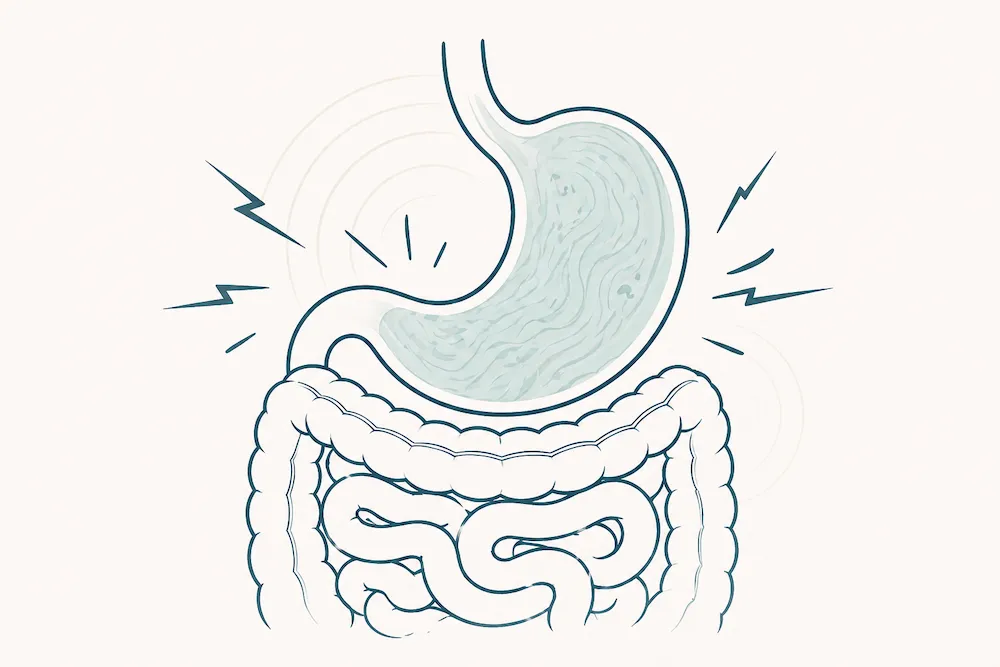
Irritable bowel syndrome is a chronic gastrointestinal condition affecting millions worldwide. It is classified as a disorder of gut-brain interaction (DGBI). This means that the brain and gut aren't communicating effectively.
Irritable bowel syndrome symptoms differ from person to person, but the most common ones include:
Abdominal pain
Gas
Bloating
Constipation
Diarrhea
Understanding the nature of IBS and its symptoms is essential to seek appropriate medical guidance and making lifestyle adjustments to manage the condition effectively.

Yoga poses to try
Incorporating specific yoga poses into your routine can incredibly benefit the digestive system. The following yoga poses can help to alleviate IBS symptoms and promote overall digestive system health:
1. Seated Twist (Ardha Matsyendrasana)
This gentle twisting posture helps stimulate digestion and alleviate symptoms associated with IBS. Twisting the abdominal region provides a gentle massage to the internal organs, including the intestines, which can help regulate bowel movements and relieve constipation or bloating.
Start by sitting on the floor with your legs extended. Cross your right leg over your left and place your left hand behind you for support. Twist your torso to the left, placing your right hand on your left knee. Hold the pose for 30 seconds to 1 minute, breathing deeply. Repeat on the other side by crossing your left leg over your right knee and twisting to the right.

2. Cat-Cow pose (Marjaryasana-Bitilasana)
This pose involves gentle and rhythmic spine movements, which help stimulate digestion and can alleviate symptoms of IBS. The Cat-Cow pose alternates between arching the back upward (Cow pose) and rounding the back downward (Cat pose), effectively massaging the abdominal region and encouraging healthy bowel motility.
Start on your hands and knees with your hands placed under your shoulders and your knees under your hips. Inhale and gently drop your belly towards the floor, arching your back and lifting your head, creating a gentle backbend. Exhale and round your spine upward, tucking your chin towards your chest and engaging your abdominal muscles. Flow between these two positions, repeating the movements for several breaths.

3. Child's Pose (Balasana)
This gentle posture helps to calm the mind and relax the body. The Child's Pose provides gentle compression to the abdominal region, promoting relaxation and relieving tension in the gut.
Start by kneeling on the floor with your knees hip-width apart. Sit back on your heels and slowly lower your torso, bending forward from the hips. Extend your arms forward, allowing them to rest on the floor before you with your palms facing down. As you fold forward, gently rest your forehead on the mat or turn your head to one side, whichever is more comfortable. Relax your shoulders, release tension, and let your body sink into the pose. Breathe deeply, focusing on the expansion of your back and the relaxation of your entire body. Stay in this position for as long as it feels comfortable.
.webp)
4. Bridge pose (Setu Bandhasana)
This backbend posture helps stimulate the digestive system and alleviate symptoms of IBS. By lifting the pelvis and arching the spine, the Bridge pose gently massages the abdominal organs, improving digestion and promoting bowel regularity. The bridge pose opens up the chest, increasing lung capacity and encouraging deep breathing, activating the parasympathetic nervous system and calming the digestive system.
Lie flat on your back with your knees bent and feet flat on the floor, hip-width apart. Place your arms alongside your body, palms facing down. Inhale deeply, and as you exhale slowly, press your feet into the ground, engaging your glutes and lifting your hips off the floor. Keep your thighs and feet parallel to each other. Interlace your fingers beneath your body and roll your shoulders to open your chest. If it's more comfortable, you can keep your hands flat on the mat instead. Hold the pose for a few deep breaths, maintaining a steady rhythm.
%2520(1).webp)
5. Corpse pose (Savasana)
This pose completely relaxes the body and mind, encouraging deep rest and rejuvenation. Stress and anxiety often exacerbate IBS symptoms, and Savasana helps reduce these factors. Lying down on your back with arms and legs extended allows the body to fully relax and release tension. This pose promotes a state of calm and relaxation, reducing stress levels and promoting better digestion.
%2520(222%2520%25C3%2597%2520333px).webp)
It's essential to consult with a trained yoga professional or doctor before starting your yoga journey. They can provide tailored suggestions for your condition, goals, and fitness levels. Their expertise will ensure you approach yoga for IBS in a way that maximises its benefits while minimising any risks.
Benefits of Yoga for IBS
Incorporating yoga into your routine can offer several benefits for managing anxiety and IBS symptoms. The gentle stretching and deep breathing techniques can help to alleviate stress, which is known to trigger or worsen IBS symptoms.
Some benefits of using yoga for IBS management include:
Stress reduction = Yoga incorporates deep breathing and relaxation techniques that can help reduce stress, known to trigger or worsen IBS symptoms.
Improved digestion = Certain yoga poses can massage the digestive organs, stimulating digestion and reducing bloating.
Enhanced gut motility = Regular yoga practice can help alleviate diarrhea and constipation.
Increased body awareness = Mindful movements promote a better understanding of body cues and digestive needs.
Pain relief = Gentle stretching and movements in yoga can help alleviate abdominal pain and discomfort.

Breathing techniques and meditation
In addition to postures, breathing exercises and meditation can also be powerful tools for managing IBS symptoms and promoting overall well-being.
Deep breathing techniques (like diaphragmatic or belly breathing) help activate the body's relaxation response. This can improve digestion and reduce tension in the abdominal muscles around the gut.
Meditation cultivates mindfulness and mental calmness. This allows individuals to better understand their body and digestive system's signals. By incorporating regular breathing exercises and meditation into your daily self-care routine, you may see improved stress and mental health management, enhanced gut function, fewer digestive issues, and greater control over symptoms.
Additional lifestyle tips
In addition to incorporating yoga into your routine, other lifestyle changes can support IBS symptom management:
Pay attention to your diet: Identifying and avoiding trigger foods such as high-fat or spicy meals, caffeine, and alcohol can reduce IBS symptoms. Following a diet low in FODMAPS can help in identifying trigger foods. Staying hydrated by drinking adequate water throughout the day is also essential.
Consider gut-directed hypnotherapy (GDH): GDH is an alternative for those who don't want to follow restrictive diets. Research from Monash University has shown that GDH is as effective as the low-FODMAP diet in managing IBS symptoms. Nerva, a gut-directed hypnotherapy program for IBS management, is recommended for those with a history of disordered eating or those seeking diet-free alternatives.
Incorporate regular exercise: Yoga, walking, and swimming are low-impact exercises for IBS symptom support. Please remember that high-intensity workouts can be an IBS trigger, so take time to listen to your body and exercise in a way that feels right for you.
Prioritise quality sleep: By establishing a consistent sleep routine and prioritising adequate sleep, you can enhance your overall well-being and potentially find relief in managing IBS symptoms.

The wrap-up
Yoga offers a holistic and empowering approach to managing the challenges of IBS. Through gentle movements, deep breathing techniques, and mindful practices, yoga can benefit those seeking to manage IBS symptoms.
Yoga can positively impact the body and mind by reducing stress and promoting relaxation to improve digestion. By incorporating yoga into your daily routine and working with qualified instructors, you can build a steadier approach to IBS management.
Everyone's experience with IBS is unique, so it's essential to listen to your body, make necessary modifications, and find the yoga practices that resonate with you.
References
Schumann, D., Langhorst, J., Dobos, G., & Cramer, H. (2014). Randomised clinical trial: yoga vs written self-care advice for irritable bowel syndrome. Alimentary Pharmacology & Therapeutics, 39(9), 1036-1047.
Kuttner, L., Chambers, C. T., Hardial, J., Israel, D. M., Jacobson, K., & Evans, K. (2006). A randomized trial of yoga for adolescents with irritable bowel syndrome. Pain Research and Management, 11(4), 217-224.
Brands, M., Purperhart, H., & Deckers-Kocken, J. M. (2011). A pilot study of yoga treatment in children with functional abdominal pain and irritable bowel syndrome. Complementary Therapies in Medicine, 19(3), 109-114.
Lustyk, M. K. B., Jarrett, M. E., Bennett, J. C., & Heitkemper, M. M. (2008). Does a physically active lifestyle improve symptoms in women with irritable bowel syndrome? Gastroenterology Nursing, 31(3), 188-196.
Thirthalli, J., Naveen, G. H., Rao, M. G., Varambally, S., Christopher, R., & Gangadhar, B. N. (2013). Cortisol and antidepressant effects of yoga. Indian Journal of Psychiatry, 55(Suppl 3), S405.
Lazaridou, A., Philbrook, P., & Tzika, A. A. (2013). Yoga and mindfulness as therapeutic interventions for stroke rehabilitation: a systematic review. Evidence-Based Complementary and Alternative Medicine, 2013.
National Institute for Health and Care Excellence (NICE). (2017). Irritable bowel syndrome in adults: diagnosis and management. NICE guideline [NG12].
.jpeg)