.webp)
Key takeaways:
- Hypnosis is a state of focused attention with reduced peripheral awareness and an enhanced capacity to respond to suggestion, often described as relaxed focus.
- Everyday experiences like daydreaming, zoning out during a movie, or not remembering much of a highway drive are akin to hypnosis.
- Stanford research shows observable brain changes during hypnosis, including reduced activity in areas tied to cognition and movement and increased activity in the region governing the brain-body connection.
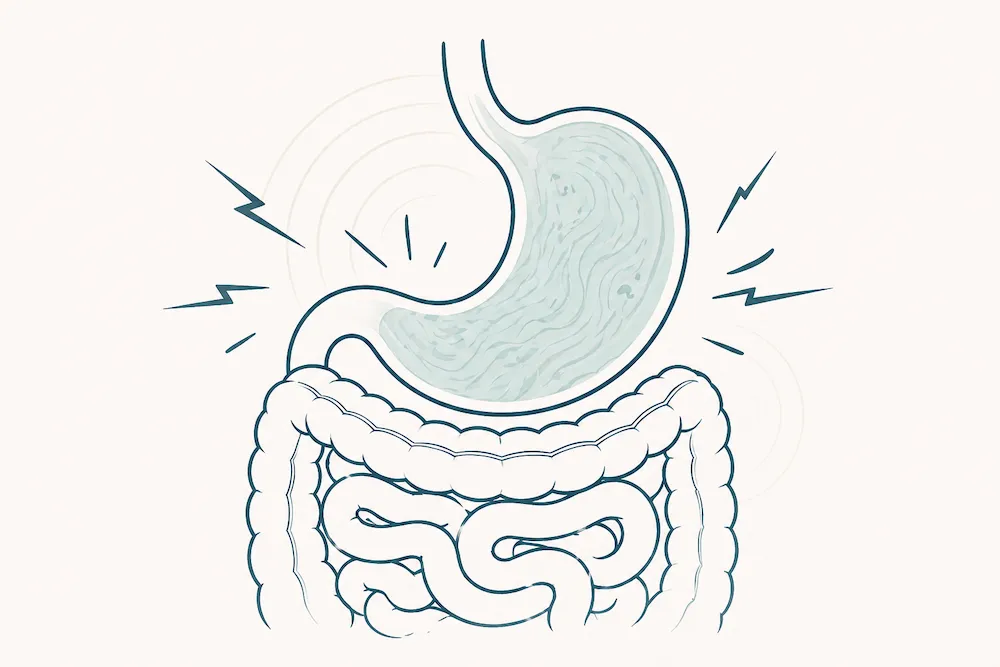
- The improved mind-body connection during hypnosis is particularly useful when applied as therapy, such as managing the brain-gut connection for people with IBS.
Summary of integrating digital hypnotherapy
The American Psychological Association defines hypnosis as
“a state of consciousness involving focused attention and reduced peripheral awareness characterized by an enhanced capacity for response to suggestion.”
Another way of describing it is as a state of relaxed focus.
The body is relaxed, but the mind is in a state of focused attention and more open to suggestions.
.webp)
If you have ever daydreamed or zoned out while watching a movie, or can’t remember much of a drive along the highway, then you’ve experienced something akin to hypnosis.

.jpeg)