Key takeaways:
- IBS and endometriosis share many overlapping symptoms, including abdominal pain, bloating, diarrhea, and constipation, which can lead to frequent misdiagnosis.
- Endometriosis and IBS have different underlying causes, with endometriosis involving gynecological inflammation and IBS linked to gut–brain miscommunication.
- Accurate medical diagnosis is essential, as IBS and endometriosis require very different management and treatment approaches.
Some studies show that up to 75% of women are misdiagnosed with other conditions before receiving an endometriosis diagnosis. And because IBS and endometriosis can share similar symptoms, it’s not uncommon for them to be misdiagnosed as one another.
It is also possible to have both endometriosis and IBS, with one study showing 24% of adolescent women with endometriosis also had IBS. In the same age group, only 7% of adolescents without endometriosis had IBS.
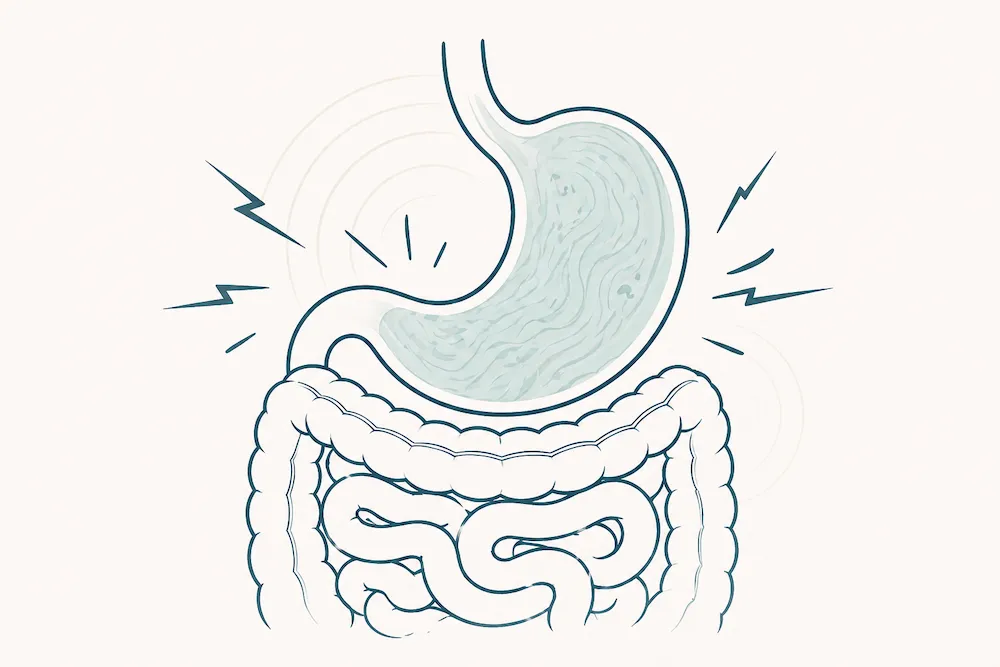
While both IBS and endometriosis can be accompanied by abdominal pain and cramping, diarrhea and/or constipation, bloating, and nausea -their causes and management are quite different.
In this article, we'll explore the symptoms and causes of IBS and endometriosis; the various management options available; what they have in common, as well as the differences so you can be informed when discussing your symptoms with your doctor.
First up, let's take a look at endometriosis.
What is endometriosis?
Endometriosis is a chronic gynecological condition that causes tissue, similar to what lines the uterus, to grow outside and around other organs. This can cause severe abdominal pain and lead to reproductive challenges.
According to the World Health Organization, endometriosis affects 10% of the world’s population, roughly 190 million women, of reproductive age across the globe. While there is no cure, there are treatment options available that can help alleviate the oftentimes debilitating pain women experience.
The pain associated with endometriosis is due to the endometrial-like tissue that thickens, breaks down and bleeds during each menstrual cycle. This tissue becomes trapped with no way to exit the body and can be found in and around the pelvic organs including the ovaries, fallopian tubes and the tissue lining the pelvis.
This causes the surrounding tissue to become irritated, sometimes leading to endometriomas cysts forming. This can ultimately lead to clusters of fibrous tissue where pelvic tissues and organs fuse together.
What are the symptoms of endometriosis?
Pelvic pain is the main symptom experienced by women with endometriosis and is often associated with menstruation. During menstruation, many women will experience heavy bleeding and severe pain that's beyond what is considered normal, which can become debilitating over time.
Some of the common symptoms of endometriosis include:
Painful periods. Severe pelvic pain and cramping is the most common symptom that may appear before your cycle begins and extend well into your menstrual period. This can also lead to referred lower back and abdominal pain.
Excessive bleeding. Heavier than normal bleeding during menstruation and sometimes bleeding between periods.
Painful bowel movements and / or urination. These symptoms mostly occur during menstruation.
Pain during intercourse. Many women with endometriosis report pain during or after sexual intercouse.
Difficulty conceiving and infertility. Sometimes, endometriosis is first diagnosed in those seeking fertility treatment.
Nausea and fatigue. These symptoms are generally exacerbated during menstruation.
Diarrhea, constipation or bloating. This is due to the increased swelling of the pelvic area during menstruation, these symptoms may become more prevalent in the lead up to, and during your period.
It is important to note that the level to which these symptoms appear may vary between each individual. Some women may experience mild symptoms while others will experience debilitating symptoms that can lead to a decreased quality of life.
What causes endometriosis?
While there is no known cause for endometriosis developing, it is thought that it could be related to what is called retrograde menstruation, when blood flows backwards into the pelvis, instead of out of the vagina during menstruation. However, research indicates this is a relatively common occurrence, while endometriosis is less common, pointing to other factors potentially being at play.
These other factors could include hormonal imbalances; inflammation in the internal cell environment and the level cells to which the body's cells are nourished.
How can endometriosis be treated?
While there is no cure for endometriosis, there are treatment options available to help manage pain and to assist with fertility, including hormone therapy, pain medications and surgical treatments.
It is always best to speak with your healthcare provider on the best treatment options for you.
Now let's take a look at IBS.
What is IBS?
Irritable bowel syndrome affects 10-15% of the global population and is defined as recurrent symptoms of abdominal pain and changes in stool consistency.
There are several sub-types of IBS: some people with IBS experience diarrhea (IBS-D), others have constipation (IBS-C), and some (rather unlucky) people have to manage both symptoms on an ongoing basis (IBS-M).
While some foods may trigger a flare-up of gut symptoms, IBS is not thought to be caused by food intolerances alone. In fact, it’s now known that people with IBS experience a miscommunication between their mind and their gut, also known as the gut-brain link, which can lead to an onset of IBS symptoms.
What are the symptoms of IBS?
The most common symptoms can include abdominal bloating, excessive wind, and nausea.
For some people, these symptoms are mildly irritating, whereas, for others, they are debilitating and can last anywhere from hours to days, or even weeks.
It’s also not uncommon for people to describe symptoms outside of the gastrointestinal tract.
This can include symptoms such as:
fatigue
sleep disturbances
foggy-headedness
poor concentration
irritability
anxiety and depression.
How can IBS be managed?
There are various options for managing IBS symptoms including:
over the counter dietary treatments and supplements
changing your diet, including integrating the low FODMAP diet
mind-body interventions, like gut-directed hypnotherapy.
What causes IBS?
While the exact cause of IBS is unknown, several factors that often play a role include intestinal motility, visceral hypersensitivity, microbiota, and brain-gut interactions.
What do IBS and endometriosis have in common?
As you can probably tell by now, there are many symptoms that IBS and endometriosis share, hence why these conditions can often be misdiagnosed.
Studies have reported that women with IBS and endometriosis shared the same physical symptoms.
Common physical symptoms include:
abdominal pain
diarrhea
bloating and flatulence
nausea and vomiting
urgency to defecate
feeling incomplete after evacuation.
Common psychological symptoms include:
debilitating impact on overall well-being
interference in normal daily life activities.
Another research study with premenopausal women found significant associations between endometriosis and IBS, further substantiating the misdiagnoses that can occur without proper medical screening.
The Wrap Up
Both IBS and endometriosis are serious health conditions that require a formal medical diagnosis. While they share common symptoms, they are remarkably different and require highly specific treatments to help manage symptoms. If you or someone you know is experiencing any of these symptoms, we recommend consulting with your healthcare provider.
References
Bontempo AC, Mikesell L. Patient perceptions of misdiagnosis of endometriosis: results from an online national survey. Diagnosis (Berl). 2020;7(2):97-106. doi:10.1515/dx-2019-0020
DiVasta AD, Zimmerman LA, Vitonis AF, Fadayomi AB, Missmer SA. Overlap Between Irritable Bowel Syndrome Diagnosis and Endometriosis in Adolescents. Clin Gastroenterol Hepatol. 2021;19(3):528-537.e1. doi:10.1016/j.cgh.2020.03.014
Endometriosis. Who.int. https://www.who.int/news-room/fact-sheets/detail/endometriosis. Published 2022. Accessed June 24, 2022.
Parasar P, Ozcan P, Terry KL. Endometriosis: Epidemiology, Diagnosis and Clinical Management. Curr Obstet Gynecol Rep. 2017;6(1):34-41. doi:10.1007/s13669-017-0187-1
Tan G, Hammond DC, Joseph G. Hypnosis and irritable bowel syndrome: a review of efficacy and mechanism of action. Am J Clin Hypn. 2005;47(3):161-178. doi:10.1080/00029157.2005.10401481
Warzecha D, Szymusik I, Wielgos M, Pietrzak B. The Impact of Endometriosis on the Quality of Life and the Incidence of Depression-A Cohort Study. Int J Environ Res Public Health. 2020;17(10):3641. Published 2020 May 21. doi:10.3390/ijerph17103641
What are the treatments for endometriosis?. https://www.nichd.nih.gov/. https://www.nichd.nih.gov/health/topics/endometri/conditioninfo/treatment. Published 2022. Accessed June 24, 2022.